

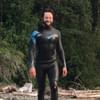
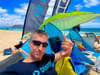

Wyatt Miller is a Professional windsurfer from Berkeley, California. He is the owner of Pro-Windsurf La Ventana windsurf and wing resort in La Ventana Baja California Sur. He is the Wing and Windsurf Brand Manager for Slingshot. He spends his summers in Hood River, Oregon and his winters in Baja, Mexico.
[00:00:00] Welcome to The Wing Life Podcast, where we talk about wing-foiling and the lifestyles of those who enjoy this great sport. Hey Wyatt, thanks for joining us tonight. Looking forward to chatting with you.
[00:00:21] Yeah guys, still to be on. It'll be a fun little chat. I mean, the wing is going big, exploding everywhere we look. Yeah, absolutely. Where are you right now?
[00:00:30] Yeah, I'm down in La Ventana, Bahá'á Mexico, so I've got a brand manager in charge of wing and wind surf at Slingshot. And for the last 13 years, I had a wind surfing resort down here in La Ventana that became a wind surfing and wind surf foil resort.
[00:00:51] And now we have just tons of people doing wing too. So, yeah, last 13 years, I spent my whole winters down here and have a, you know,
[00:01:01] a big compound with a combination and a whole day you walked out on the beach and there's just massive sprawling gear sheds with, you know,
[00:01:10] 20 different wingboards and 40 wind surf from wind surf foil boards. And everybody comes and shows up and we have an open bar and cars and quads and all the gear. And yeah, so basically, show people a good time here from November until we're actually closing up this weekend.
[00:01:29] The first thing. And very cool. And for everybody listening, that's a little bit more international, maybe not some North America. Can you give us kind of the,
[00:01:39] 11 town is kind of a mythical spot for the North American wind community, but for everybody listening from around the world, can you tell us a little bit about the conditions and what's happening down in Bahá?
[00:01:49] Yeah, exactly. So, it's a thin peninsula, it's Mexico, but it sticks down from San Diego in California and you know, actually was traveling in Europe and Tarefa for the last GWA contest there in October and all the people I met there knew about La Ventana and they're like, oh yeah, it's like the Tarefa of North America, which is sort of true. It's the main.
[00:02:14] Definitely the most popular wintertime wind destination in North America. And it's the seagrites. So, you know, we get it's not open ocean swell. It's a thin narrow sea.
[00:02:27] But we're just kind of perfectly set with this big island that sits like 10 kilometers off the shore and lines up to just funneling the north wind like crazy.
[00:02:37] And so it blows 20 knots here almost every day from November on until the end of April. And it's really easy for everybody in North America to fly here because Kabul San Lucas is the big vacation destination in southern Bahá, which is two hours away.
[00:02:53] And the flights are really subsidized into there. There's flights from everywhere, you know, direct flight from everywhere in the United States into Kabul San Lucas. So we send people, we send a shuttle, pick people up there for charging two hours here and then it's just a cool little one road town. There's just one paved road in town dotted with different restaurants and stores.
[00:03:15] And yeah, I mean, on a normal day in the peak season in December, January, you'll stop counting kites and wings at like 400 and just give up. So like every day there's like 400 people water, but the, you know, the beaches like 10 miles long. So they're spread out along that 10 mile beach. But yeah, I mean, on a on any given day, there's three to 400 people easily. And so there's not that many Europeans though down here.
[00:03:43] I mean, it's really tends to be Canada, you know, North America. But yeah, traveling to traveling to Europe in the fall, it was amazing.
[00:03:53] The difference over previous years, I've been there where how many people knew about Laventana? I'm like, hey, I live in Bahá on the winter, they're like, oh, Laventana? Yeah, totally.
[00:04:01] And then for this before we started our little chat now, why it was telling us how we super stoked to go explore the Pacific side.
[00:04:11] So the wave and I feel very strongly about that area and looking, I actually have gone there together and I've been there many times. Do you want to give the top of what's happening on the Pacific side in terms of the wind scorching?
[00:04:25] Yeah, exactly. So the boss really narrow peninsula and where we are right here in Laventana is actually basically that the narrowest part.
[00:04:33] It's only as the crow flies like 35 miles over to the Pacific side. So we can reach a few different surf spots on the Pacific side in an hour and a half from here on the sea of Cortezide.
[00:04:45] We're on the east side to go to the west side and be at like an hour and a half. And we actually have a bunch of spots over there that went and filmed like the sling wing V3 hard handle video over there.
[00:04:57] We had like an epic barreling day and brought the jet skis and the wind was blowing offshore, but you're actually able to like get up and almost straight offshore winds and get into the waves and ride.
[00:05:09] But you've got just endless really uncrowded middle of nowhere spots on the sea of Cortezide on the Pacific side. So in total Santos, maybe a little bit to the south there's not much wind and there's some hotels and things to stay there but from from that point all the way north for 500 miles there's really not much as far as places day or by food or anything.
[00:05:33] So there's just these point break after point break and beautiful uncrowded beaches that you can show up with all your camping gear and the wing gear and hopefully have a jet ski too and it's pretty incredible.
[00:05:46] Not many places in the world where you can go, winging you know, barreling point break with nobody else around for miles. It's it's pretty special here. It's really untouched.
[00:05:58] And there's no thermal that fire all summer you know that so it just it always lines up perfectly side or side offshore with endless point breaks is saying it's just a crazy crazy place.
[00:06:10] Yeah, exactly especially the spring so the spring time you have the northwest winds are cranking on the coast and you just have wind most days over there, especially for winging you know, you can kind of always get out but.
[00:06:23] Yeah, especially in the spring time. I mean that's we're just closing up our resort right now and it's so excited to go winging on the on the Pacific side because you can just pull up and camp for you know as long as you want and the northwest wind just keeps cranking.
[00:06:36] So we'll go to like really famous spots may five hours north of here is like one of the most famous surfing spots in the world Scorpion Bay and it's like six different points.
[00:06:47] It's just a huge point that kind of makes six different points and I mean you can ride away for like a mile and a half there and there's something to be there as far as.
[00:06:58] You know, places stay in stuff but hard to get to see no let me crowds down here. Hey Tom we drove by there on our way to put in stuff.
[00:07:07] No, we didn't go quite as far down as Scorpion Bay but I have been down there and it's it's insane like winning didn't exist when I was there but I can see that way of just being phenomenal on a wing.
[00:07:19] We tried to win surfing and it was just you know just a little too fluke of wind. I think it worked with the inner points which are cleaner we're just not really happening for when surfing but on a wing that would be nice.
[00:07:31] Unbelievable and you know, we we've found a lot of time in St. Carlos together. If you think with the waves you saw in St. Carlos they're messy compared to Scorpion Bay like it's redontal as how consistent that brings in how perfect like it's amazing.
[00:07:49] Oh nice nice so how long you guys going for what? I mean from here it's like a five hour drive so basically we'll stay here at home with all the luxuries and then as soon as we see a big south swell from like 180 to 210 degrees.
[00:08:03] We just drive up there and you know stay from the swell state three four or five days and then when it Peters out kind of come back home chill for a little bit and keep watching the forecast so you know we can go up there.
[00:08:15] It's a pretty specific swell direction for Scorpion Bay but then if we also drive you know two hours back towards the airport and Cabo you have what they call the East Cape East Cape of Baja and that will really accept any direction of south swell.
[00:08:29] And the crazy thing about the East Cape is it'll blow from two different directions in the same day so you can be like riding waves blowing from the south in the morning and then you'll see this line from the north kind of battling with that south wind midday and the south wind will die out and you'll have wind from the north that you know 15 to 20 knots in the afternoon so we'll go there and you know.
[00:08:56] Wing and it I've literally winged in completely different wind directions with good waves in the same day it's a total trip so it's basically right at the point of Baja like the southernmost tip so right where the sea is hitting the Pacific and.
[00:09:11] Yeah, there's a lot of variable conditions there but yeah to be in a place where you can ride to completely offset wind direction same day the same break it opens up a lot of possibilities really helps you explore the the wave there. Oh yeah no for sure.
[00:09:28] So for people that are listening and don't know why it is a pro wind surfer and I'm kind of curious to hear why it how much wind surfing or you're doing these days ever since. Wind falling and now up to the wind and it's coming into the picture.
[00:09:43] Actually do a lot of wind surfing so yeah I was a pro wind surfer in college and growing up and. And I mean it's I still really like to do the old thin thin wind surfing I kind of have.
[00:09:59] And down here in my resort in Baja right I have like all of my sales rigged and all of you know my wingboard is sitting there on the rack on the beach and you know I'm a whole bunch of staff and blows up all the wings the million a day so it's really easy to take whatever I want I'm completely spoiled.
[00:10:16] But generally my rule of thumb is like if if I can be on like a 4.4 meter sale so it's blowing like 25 I'm regular finn.
[00:10:26] Wind surfing and then if I've got to be on a 50 or something bigger I'm pretty much winging at that point and then I don't like get a little bit of order winging I switch it up to the mincer foiling.
[00:10:40] And do some good crashing for about an hour trying to figure it back out again. Nice.
[00:10:45] It's it's pretty funny like wing for a week and then you go back to mincer foiling and you can't do it all and vice versa like I'll be okay this week I'm super into mincer foiling and I'm doing great and then I'll go out and try to wing and land my 360s and 720s and just crashing left and right it's like it's kind of I find it kind of hard to keep up with all all three sport to know it's.
[00:11:05] It's a challenge for fun because I can get a little board of one for a week and then I'll get rid of one of you know the other sport for a week but the transition between the two is definitely not seamless.
[00:11:18] I think there's probably not many people that have the luxury that you have to ride so often in very similar conditions and be able to compare the three sports and similar conditions.
[00:11:31] And you can't really get the opportunity to be able to kind of bounce back and forth and yeah yeah it's actually kind of hard to bounce back and forth.
[00:11:36] I definitely had done a question as well that going from you know winging to win surfing it's a totally different ball game and then when surf foiling is kind of a hybrid I guess between two and some ways.
[00:11:49] Yeah, I mean there they're definitely way different and you know so we have everything in my resort here right so regular win surfing with fins we have wind surf whole rack and wind surf foil boards and then we have a huge rack of windfoil board.
[00:12:01] And you know everybody's always we have a lot of wind surfers who are transitioning to wing here and brand new wingers learning wing and everybody's kind of asking me like well you know what's the advantage of one or the other and.
[00:12:16] You know I think it's just really clear with winging and how much we're taking off it's just on on the wind surfboard you're not you're standing all the way outboard like all the way on the rail and way at the tail.
[00:12:29] So you're not standing in the right place to really ride swell whereas when you're winging you're you're standing like dead center in the middle of the board exactly where you would be if it was a surfboard and you're surfing away so you're just standing in the correct place to really take advantage of riding bumps and riding swell and carving.
[00:12:50] Whereas when surfing you're kind of you know outboard in an in a strange place on the board so I think winging is taking off like crazy because it really is the best vehicle for riding swell you know more so than than the wind surf foil.
[00:13:05] I really like the wind surf foil for you know blast back and doing you know jumps in all the spinning tricks.
[00:13:11] But as far as like really riding swell and like love that aspect about wind surf boiling the beginning before wing came out was like it was really fun to ride swell.
[00:13:20] But you find yourself like having a lean so far forward and just not standing in the right place in the board was now with the advent of of the winging you're just standing exactly where you would be if you were a surfer.
[00:13:32] And you can really take advantage of the foil and the rails in the swell because we're standing on the board. Totally that really really echoes my feeling as well. I remember when when surf boiling came out.
[00:13:45] I was riding your fours actually the infinity 76 lot and stuff like that and because I was living in Montreal at the time so you know we don't really have access to good ways.
[00:13:56] You only have swam loss of the time that remember just being so so on being able to ride these tiny middle bumps and go front side on them and you know have a great time on this tiny things.
[00:14:07] And then second I got on a wingboard I was like man when surf boiling is dead for me like it's never going to be the same. You're just standing in the perfect place. Exactly exactly.
[00:14:22] Like when surf boiling on a three seven I found was pretty fun for a while until I started I was flagging out the sale all the time look at the surf.
[00:14:31] And then but a couple bodies on Vancouver Island that's like they love when surf boiling and they're going to do it forever they haven't even switched over winging but they do like to hook in kind of lasting a bit more feeling so it goes along with their style of riding.
[00:14:45] Yeah, I think yeah, just to clarify that I think I totally agree with you look like I went surf boiling for me was no longer interesting because I'm just interested in surfing things and surfing. How many two.
[00:14:57] Yeah, but the part of you know I just say are you an intermediate level wing foiler looking for an epic adventure this winter. If yes I suggest you reserve your spot for the wing foil expedition posted by Agua Salada. Baja California sir adventures this coming January.
[00:15:14] This trip is going to be absolutely amazing it includes oceanfront accommodations airport pick up and drop off fresh locally made food and snacks created by a local artisan al chef yoga massages five days of wing foiling and the best part over 100 kilometers of boat assisted downwinders just imagine the freedom and peace and mind that will provide.
[00:15:39] I look will be one of your wing foil coaches on this trip so be a great time to know the enjoy the downwinders but also ask questions to prove you're writing our triple take you on different parts of love and tana and baja that you would not otherwise be able to access without a boat.
[00:15:56] To learn more visit winglife podcast calm and click on trips in the main navigation menu once again visit winglife podcast calm and click on trips in the menu with only eight spots available.
[00:16:08] We know it's going to book up fast so we recommend that you act quickly. I'll see there. Saying that people that enjoy blasting around you know throwing down racer vibes and stuff like that that's way valid not the totally different volume and what's your funny amazing for that.
[00:16:23] Yeah and just like you're talking about there like the ability to to completely get rid of the power like we've seen that as a.
[00:16:32] We're handsling shot and and watching a lot of the fighters especially in the gorge and here's a lot of time like so many good young fighters switching over to wing foiling because. We can actually get rid of the power so when you're when your kite foil.
[00:16:48] You know, as soon as you die the kite you're right to speed the kite is really hard to completely get rid of the power in the kite and just focus on writing as well because they are standing in the right place on the board and there's words are extra small which is great but they can't.
[00:17:04] Right way get rid of the power in the in the kite to focus on the small ride kind of the same way Windsor foiling you know yeah you can dump power better than a kite can.
[00:17:16] But the ability to flag the wing out and just completely get rid of the power in the wing and focus on your swell ride that's that ability to ditch the power is what's brought so many of the kite foilers over to wing is because they're just like man I was so into.
[00:17:33] And I'm so unfoiling because I didn't have this annoying power in the kite and now with winging I'm able to achieve that same thing where I have no power in the wing no power in the kite and can just focus on writing the foils well.
[00:17:48] Or like have you kite foil Luke.
[00:17:51] I know I don't have them kite foiled but my brother does and I've seen him learn in his little bronco I think he had like a 600 or a 700 and it took a while for him to get that little race foil going I think it's a 10 hours actually.
[00:18:05] But even him he's a really good kite or and it you still like that you'll still get some slack line going obviously if you catch up and stuff to it but that that's the fun aspect of winging and and when surfing actually why I was kind of curious.
[00:18:20] But there's a lot of new people coming into wind sports that were never into wind sports before so do you want to go a bit into how you got into the kind of wind life and I'm sure they would love to hear a bit about your story.
[00:18:32] Yeah sure I mean I grew up in Berkeley California which is you know San Francisco Bay area where's some east side of the bay like if you took a boat from the.
[00:18:41] The Pacific Ocean and drove right under the Golden Gate Bridge just kept going straight you run into the birthday marina which is where I learned to win surface kid.
[00:18:50] You know my dad was was a wind surfers so I really wanted to do it when I was a little kid and they had a good kids camp there runs through the university and then I ended up you know working for the kids camp and running the kids wind surf camp there and.
[00:19:06] Then I had you know what really what really makes you.
[00:19:11] You know excel at any of these sports is riding with people who are better than you and also having not each mates that help push you so I you know like 15 or 16 I was you know a good enough wind surfer to to sail everywhere but then I had a core group of friends Rob Warwick and then the poor brothers.
[00:19:29] I was my business partner down here and the four of us just you know anything you can do I can do better. If one guy would learn something everybody else would kill themselves trying to learn as fast as they can and so we really.
[00:19:42] I was each other there and we're doing all the competitions so you know eventually the four of us are you know pretty much the same skill level so then you travel to you know we would spend six months in.
[00:19:54] In a bon air to ride with the friends brothers because they were just you know one level up than us and then you know you go to.
[00:20:02] Marguerita and ride six months with Guido straight out because he was you know those guys were all like six months or one season better than us.
[00:20:10] And it's really important to travel and ride with somebody who's better than you I mean that's that's how you get good you can't if you're the best guy in your pond.
[00:20:19] You're not in the increase your skill level very quickly whereas if you can travel somewhere where people are better than you you learn a lot by following right behind seeing exact when angles people take into a move and use you can pick up on that my new little details there and so.
[00:20:35] Yeah, I moved to the we all moved to the Gorge and live in our vans trying to be pro in servers is broke college kids and. And then there we wanted a place to train that was you know in the middle of the winter and.
[00:20:50] And so the lava and tana is really the only it's the only mid winner. High season windy spot right so like there's nowhere else in North America you can go like the Caribbean doesn't counts like even Brazil I mean that South America but still Brazil is like.
[00:21:07] To September to December but if you're talking about your high wind season is November to march mid winner there's no other place in the northern hemisphere really that that's like the main high season where it's a lot of the tana that's our.
[00:21:21] Our peak season is December January February so we would come down here and you can drive all your toys so we come down here for break and train here and then. So much times here that.
[00:21:35] Our property well it was cheap town was like there was when I moved here there was two restaurants in town and if you can even call them restaurants and I just looked yesterday at our.
[00:21:45] And then, I have to remember this is the place where we're going to go back to the local local guide and there's 72 restaurants in this town so got some property well. Wow yeah I'm this my 20th year anniversary in this town so.
[00:21:58] Right for the first time drove my man down in college 20 years ago and a few years later got some property and just watched it totally explode now we have. wind-foiling was starting to become a thing. And I took a job at a manager for wind-foiling
[00:22:21] at a slingshot to run their program there, help design the products, work with the designers and engineers, and then do everything from breaking, bring it to market. I write all the website copy. I manage the photo shoots, I manage the team riders,
[00:22:38] hire the team riders, and then in 2019, basically we had started getting into the wing-foiling. And they were like, you want to be the wing-foiling? I was like, well, it's pretty much just wind-surfing, right? I mean, the sea sports are still close. I was like, sure,
[00:22:55] I'll be the wing-foiling guy. A little bit, but at that moment that it would become like 90% of my job and wind-surfing would be 10% of my job. But yeah, it was pretty crazy watching that. I mean, Tony Legos, who's one of the founding brothers of Slingshot,
[00:23:12] was the first guy to make a wing. He was the first guy to make an inflatable wing back in 2015. And there's a funny story behind that. But basically, everybody, it's like, shot us three years before my time in 2015.
[00:23:27] But you couldn't sell the rest of the team on it. Everybody's like, oh, I don't know. And it wasn't until you developed prototypes show, it made a work group of concepts. And it wasn't until, you know, now, shins, F1 and everybody's, you know, every got,
[00:23:44] every industry talks, so every gets worth of these guys are going to produce wings that we were like, oh, we break it. That thing off the shelf that we made them can three years ago and start to... No, no way. You're not.
[00:23:58] So what he was making that in the context of the foil? I guess the foils were already, I think at that point. Well, those were just barely a thing. So he, the first idea that they had was,
[00:24:12] you know, Tony made this wing and he was first writing it on like a seven-foot surfboard. So we got photos of Tony in 2014, 2015 in the Gorge with a wing with like a stand-up paddle sticking out of the back.
[00:24:28] That was, you know, it was the first Boo wing. And he's like a fully blasting across the water on a surfboard and like catching little jumps. And so like the idea back then was that that we would sell it to the submarket because you imagine like 2015,
[00:24:43] like, something is going through the roof, right? So the submarket and when everybody went out subbing and then a little wind came up all sudden writing a sub isn't very much fun,
[00:24:53] so they could take this, you know, wing out of their back back and pump it up and ride on a sub. And kind of right after that point, he was also getting pretty into the wind
[00:25:04] surf, foiling and he developed foils for Stingshot's really big like top two, three companies in wake, which a lot of people don't realize like we're huge in wake. Cable Park, especially make all the kale park boards, Tony, and went to the first
[00:25:19] flex cable park, wake boards that you could do all the like, no, as presses across the um, the features and really hit the ramps with, um, before that wake board's really still.
[00:25:30] But uh, okay, that was the whole idea was it was going to be a sub thing and then he was windsurfoyling, so he started doing it on his windsurfoyle board and uh, yeah. He posted a photo on um,
[00:25:44] sailing anarchy is like a, a sailing Facebook page with like a million followers and he posted his first foiling wing photo on somewhere. Like he's like, oh, I posted it on Instagram and I had like, you know, 150 followers back then, like Instagram wasn't really
[00:26:00] that much of a thing in 2015. And then somehow it made it onto this Facebook page sailing anarchy which has just a lot of followers. And he's like, and from that moment on, my phone was bringing
[00:26:09] off the hook. Everybody in Maui was calling me like, you got to get me one of these things. How do I get one? He's like, have a bunch of like crappy prototypes, you know, that I've like hand sewn
[00:26:18] and cut together, like I don't have that many. I can send you one to somebody's like from that moment on is the phone was ringing off the hook and that's when he came back to everybody else's
[00:26:28] link shot and was like, we really have to do this. And even then, you know, that we didn't buy into it. What are you bought into it now? Yeah, you guys are full pledging to it now. And I think you're
[00:26:43] trying to blindsided a lot of the industry. I remember talking to owners of shops, uh, wind shops and in Quebec, kind of just as it was coming out. And they only like, what is this thing? Like why
[00:26:56] already have citing, we already have what's your thing, how kite pulling, when surf won't be really needed other swir. And I think it's just it's different so much better and it's own way, you know? Yeah, I mean to me, it really, you know, it's basically like, you know,
[00:27:15] citing hammered wind surfing because it was so much better in a lot of really good points, right? It's like easier to learn shorter learning curve easier to travel with and go in lighter winds.
[00:27:27] And then wing-foiling came and I was like, we were wait, wing-foiling is hammering citing because it's the same way. It's like easy to travel with even easier learning curve less scary can go in
[00:27:39] lighter winds, you know? And it's just in launch by yourself that you're not going to true. You know? Yeah, somebody if you have that, it's uh, yeah totally. Yeah, if you build it, they will come, right? It's like if you make it easy, people will do it.
[00:27:55] And so we just came out with a sport that's ways of them in surfing, ways you're in citing and the learning curve, you know, learning curve, or shorten people are just jumping on it.
[00:28:05] So, um, at your resort, you're obviously there in the fall. You've seen how busy are you with wing lessons and that kind of thing? Yeah, I mean, there's definitely a lot of lessons and a lot of
[00:28:14] learning going on, um, you know, we'll set people up with kind of like jet ski lessons in the morning if they've never foil before to uh, to get them to understand the crazy bucking broncho
[00:28:26] that is foiling, right? Like if you've never ridden a foil before, it's just such a foreign concept and it's so sensitive that even if you've done other board sports, you're used to like what
[00:28:35] it feels like to set a rail on skis or snowboard or a surfboard but like until you've ridden a foil, you just don't really understand how sensitive and how little input you need to give it to get,
[00:28:46] you know, a lot of a lot of been turned out of it. So yeah, we'll set people up with that in the morning and then uh, it's just a nice sandy beach so people can do the walk a shame, right? I mean,
[00:28:56] well, well help them out a bit but yeah, you're gonna walk it up wind a little bit and go out and try to stay up wind and come down. But you know, it was funny, it's basically exactly the same
[00:29:06] as what happened with wind surf foiling. So we had a wind surf resort. The first year we had wind surf foiling, we had all the gear there, nobody wanted to do it. The second year we had wind
[00:29:16] foiling people would like kick the tires a little bit and like look at it and be like, hmm, maybe it's not very windy, I'll try it, you know, and they're kind of kicking the tires and a few people
[00:29:26] did it and then the third year people were emailing and calling specifically to come because we had wind surf foil stuff. And it was the exact same thing. So that was like three years and then the next
[00:29:38] three years was uh, was wing foiling. First year, out on the wing foil stuff, nobody would touch it. Second year they're kicking the tires like, well, maybe and people were learning third year. I mean,
[00:29:50] now everybody's coming to wing foil and even all our long time means they're all getting in the wing foil. It's just, you know, everybody, it's the same thing that happened with cutting. Everybody
[00:30:00] went surf for 20 years and then cutting came along and they're like, oh, let's do this new thing and cutting. And now everybody's been cutting for 20 years and so they're like, oh, let's try this new
[00:30:07] thing wing foiling. But it was interesting to see that it took three years of, you know, two years of tired kicking before everybody jumped wholesale in on it. And now I mean, you know, on the lighter
[00:30:20] when days, I mean there's just as many as many wingers out there as, as fighters in the really light days on the, on the, on the windy days, there's definitely a lot of fighters down here.
[00:30:29] Yeah, no for sure. All of my friends like I worked for why sub myself at elevation type putting so they're teaching probably just up to beat from you and stuff and, yeah, just the whole,
[00:30:40] but even the massaciters on, on Van Allen, a lot of them are just switching over trying different things, safer launches, all that kind of thing. But it's kind of, it's cool to see that kind
[00:30:49] of progression and kind of reinvigorates people as well, right? Like after the same sport for a while it's kind of neat to see them hop on submouth. Which is interesting, but there's also like,
[00:30:59] you know, you're going to see a glut of equipment for cheap this summer in Spain because there was a, the whole industry made a little bit of a mistake in, you know, during the COVID,
[00:31:13] everybody, you know, there's this huge demand and all the whole industry is like, oh my gosh, like we can't produce enough gear. Like this sport is exploding like crazy, you know, it's
[00:31:24] the new gold rush, but kind of what happened is that the, is that the end is a lot of, you know, basically every company in the industry mistook scarcity for demand. So
[00:31:35] it wasn't exactly that there was all this demand. It was just that I was calling one shop looking for a board and they didn't have it, and then I called the second shop and then I called the third
[00:31:44] shop and no one had it like a fifth shop. So all of a sudden you have a single customer calling eight retailers looking for a product. And so when, you know, when we're seeing those numbers
[00:31:56] in that interest, the whole industry thought, oh my gosh, like demand is sky high, in actuality, it was just one person calling eight or 10 shops, right? So, you know, everybody's touch points. But it's test points and so yeah, there's demand, but really it was the scarcity.
[00:32:13] It wasn't the demand. And so, you know, every brand ordered too much stuff and every store ordered too much stuff. So it's going to be, it's going to be a doggy dog world out there going into
[00:32:25] this summer as far as prices. So okay, that's really, that's really interesting to hear because I was not working in a shop currently, but I was in the beginning and those early COVID years
[00:32:38] and I was just saying it was just madness. You know, everybody was trying to get stuff you, if you could just get a board or get a wing and get up for it, they're like, okay, I'm getting
[00:32:48] this. I don't care if it's not what I want. I just want something. And it seemed like this bubble is never going to burst. You know, it was going and going and it's interesting to hear that now
[00:32:58] it's kind of burst. And now the supply has caught up finally with the demand and almost surpassed it from what you're saying. It's going to be interesting to see how everything adjusts and goes from there.
[00:33:09] Yeah, I mean, do you find, do you think that the numbers of wingers are still growing? Or do you think there's, we've hit some sort of a plateau with number of wingers?
[00:33:21] No, no, you know, the numbers are still growing. I actually in the GWA, so the global wing surfing association, we, you know, all the top brands submit our sales numbers to the GWA
[00:33:37] that then takes them and anonymously combines them and then spits it back out to all of the member brands so that we can, you know, everybody, it's never very specific interest to have an idea
[00:33:47] of where the, the markets go and, you know, our board selling a lot, oil selling a lot, you know, are the sales at North America here and Europe here is the vice versa. So we just received that
[00:34:00] information today. So we also admitted our information to GWA. They took it all anonymously, combined it, send it back out and haven't, I should have done a little more homework this morning because that email just came in today. But, but it's, yeah, I mean, it's still growing,
[00:34:19] but we still have to remember that, you know, being on a crazy windy beach is not where all the eyeballs and the people are necessarily so it is still brutal and will it jump the casem. And so
[00:34:36] there's kind of a lot of studying. We do it, it's like, shot, which is like, um, you know, we have early adopters and there's a lot of early adopters now but there's this big chasm between
[00:34:47] early adopters and a sport really hitting the mainstream. So windsurfing jumped that chasm, right? In the 80s and the 90s, you know, 80s and early 90s, windsurfing went from, you know, a little fringe sport and it fully jumped the chasm into a hundred percent mainstream sport. Like,
[00:35:05] everybody was when surfing in 1989, Neil Pride sold a million wind surf sales and around the same year one and three European households owned a wind surfer, right? So that's clearly chasm into a mainstream sport. Hiding never done it, right? Hiding never jumped to the chasm from a fringe
[00:35:26] sport to a mainstream sport. Stand up paddle did, right? So stand up paddle, you know, was pretty damn fringe and right now do you know anybody who hasn't been on a stand up paddle board? Like,
[00:35:37] probably not enough. So windsurfing did, Kiting did not stand up paddleing did and what will find out in the next two to three years is if, you know, weaning is going to be like, Kiting and not jump
[00:35:52] that chasm from early doctor fringe sport to mainstream or if it actually will. Okay, I'm kind of curious you're thought on this. So I have a guess as to why those sports
[00:36:06] did jump the chasm and why they didn't. But why do you think that happened? She know with wind surfing it was just, it was kind of the first extreme sport and there was such a big
[00:36:20] sailing culture, especially in Europe that this was like a smaller sailboat that a family could throw on top of their car and get somewhere. So I think it really jumped the chasm because
[00:36:31] a other than skiing which had such a history it was hardly an extreme sport now. And then you know, it wasn't considered this crazy extreme sport, right? Because it had such a long history.
[00:36:43] Whereas wind surfing had such a short history that it was considered the first crazy extreme sport in the sailing culture kind of augmented that. And then, something, you know, anybody could do it anywhere. It was more fun to stand up and look around that it was to sit
[00:37:02] hunched over in a kayak, right? So you just, you had this, you know, kayak sails in kayak world, no sudden you had, you know, a better version of that than anybody could do at any place.
[00:37:13] Whereas citing, it's not like you can do it anywhere at any place and it had the risk factor involved. So it didn't really jump the chasm in. It's, it's a lot to ask it attached yourself to a
[00:37:26] 2000 abstraction kayak. Yes, for a lot of people that won't go near it. Yeah, absolutely. I think just before we get to one thing, I think that's that's pretty close to my thoughts as
[00:37:37] well. And I think as you're saying in the beginning when surfing there was kind of a scarcity that wasn't really any, you know, outdoor extreme sport that you can do about biking and this skateboarding wasn't really a thing. You know, there's just not really other options.
[00:37:52] And there was a huge family culture and it was super accessible at first. You know, like you had one board, one sail, you just up all the thing and you cruise around and with a low performance
[00:38:01] sport at the time. And anybody could do it. I think paddleboarding is just saying it's again a simple thing. You have one paddle, one board, hop on the water and you enjoy any conditions
[00:38:12] basically and everybody can do it. Whereas winter thing as we know it today and types of things as we know it today are by default high performance sports. You have to have some sort
[00:38:22] of level of understanding of when you have to have some sort of coordination from strength and all these things and some risk is involvement because it's high to phone and sport. So it's going to be interesting is if we manage to market, winning as a non-hyper performance sport.
[00:38:38] And I think if we manage to do that, then it'll jump that cousin. If we don't, I'm not sure well, maybe like yeah. Your 100% right. We've been working hard on that in Ed Slingshot, like
[00:38:49] and developing the you know, like I we developed the the sub-windor, right? The stick on keel fan to you already have a sub your little board of subbing, hunter box. You get this big old
[00:39:01] stick on keel fan, put it on your the sub or the five sub to you already own and then just by a wing and do this little performance sport. You know so right after we came out with that I started
[00:39:12] seeing those and you know boats in the Caribbean and you know we've worked hard on that and like that our new LTF board, the learn to fly, right? It's like an inflatable and it comes with
[00:39:23] and it's got a carbon plate on the bottom that'll take a foil and so it comes with twin fins that you can put in the foil track and then in front of the foil track it's got another like a abox
[00:39:32] slot for the big sub-windor keel fan. So it comes with twin fins and a keel fan that you can use for you know riding it without a foil and we'll learn that's where you teach people on down here
[00:39:43] in La Vontana and then you can also use it for falling so we're definitely trying to court that. I think you know it's it's still you know wind sports still take a bit of perseverance right?
[00:39:56] You still have to be a bit eager to learn it to push all the way through. I think the real boom that we're going to see or like I think are kind of our best chance at jumping that
[00:40:07] chasm in in a winging is that the dang sport, like it's so much easier and everything just works better and more seamlessly when you're under a hundred pounds right like.
[00:40:25] So easy for a kid to learn like first of all they have so much fun running and jumping and catching mad air on the beach with the wing that like my resort you give the kids a wing and like
[00:40:37] they're jumping off the dunes and running down the beach all day and like towing each other like five of them running with the leash is like the smallest one is like getting lifted into the air on like the
[00:40:46] seven oh and these kids will spend have they have so much fun on the beach with it that they they develop really good wing skills before they hit the water and then the the some 100
[00:40:58] pounders like there's so much upward pull and they're hanging from it so much that the foiling part becomes very easily because they don't really have much weight on the board and they're
[00:41:07] supported so much by the wing. So I think the fact that it works so well like it just works way better and way easier for underhunter pounder than it does for a 200 pounder to learn and if the kids can
[00:41:21] learn it that easily then we're going to see the the sport grow because if we're just relying on adults to persevere through you know it's it's gonna be a hard push but the fact that the
[00:41:35] physics of it works just five times better for underhunter pounder than it does for a 200 pounder means that the kids can actually learn it quick enough to really increase the numbers. That's a really interesting thought and I think you're totally right on that and combined with
[00:41:51] the fact that the wing is so light so the kids can actually use it and I set up and it's so much safer than when surfing or citing yeah totally I hadn't thought of it like that but that's a very good
[00:42:02] point very it's pretty funny we got this like one of my pro today's down here we're mixing kid that you know I've been my little pro to Jason's forever learn to win surf and then
[00:42:14] we went lead a wing for a while and then we lead a wing and now he's doing 720s and backflips and stuff but you know I got he's got tons of little TikTok videos on him and it's the same thing for like
[00:42:27] Chris Chris McDonald's like you know are you destined the world right and he's you know here with us all all winter and both of them you know this little kid and Chris McDonald's if you go and look at
[00:42:40] their Instagram sites like either of them doing a 720 it's like you 100 views right either of them jumping off of a dune with a wing gets like 3 million views it's insane there's like
[00:42:55] literally like holy and see those little video of jumping off the dune right here in front of the place you got a million views and like a week whereas like I can shoot him with a drone super
[00:43:04] sick doing a 720 and it's like I don't know a couple hundred or something but like the the interest out there that that is generated in the TikTok Instagram world from I don't know what it is just it's
[00:43:19] just looks way more doable jumping off a dune or dune or you could relate to it more than they can anything on the water but I mean yeah go like very well let's do go to Chris McDonald's
[00:43:32] Instagram page and look at the number of views on any of his like absolutely amazing you know on water tricks and then go look at the ones where he's jumping off the dune it's just like it's night
[00:43:42] and day it's insane yeah I think you had it in the mail and I had two different audiences and that's uh if we want to pass that chasm and go away from our friend sport it needs to hit that audience
[00:43:56] that's the dune people are that's how it's gonna happen. You think it's just fear or something or people will allow themselves to go kind of so far and then and then that's better as far
[00:44:07] as my limit will take me might be something like that people always want to fly. If you want to fly I think it's just more relatable right like riding a hot soil on the open ocean
[00:44:17] is less relatable than you know I mean is there any kid out there that hasn't gone to the beach and run jumped off a dune right and which they had like a married pop in some brellin
[00:44:28] to do it a little bit better you know I think it's just one of these related ability right oh no yeah there's just too much disconnect and you see somebody flying around on this like
[00:44:39] tiny little thing above the water and like why are they near like what's happening here but uh with the wing you're like yeah big umbrella why not look cool. But at the same time like
[00:44:50] that whole jumping off a dune thing is progressing so much that it kind of makes me cringe because I'm like oh my gosh when is somebody gonna get severely injured? It's like oh my goodness
[00:45:00] and at some point it's it's hang lighting right like where do we draw the line? Oh wait and I've seen some videos of ciders like spending minutes up in the air doing basically that and you're right like one is somebody gonna get hurt doing that because yeah
[00:45:16] when is it kind of warning when is it paragliding right like it's just it's the same thing here at the wing like if one point is it jumping off dudes the wing and one point is it hanged
[00:45:27] what question's body wind right? At least you're with them. It's pretty good How does it feel to work with all like all the athletes and stuff that's like shot for people
[00:45:38] working different kinds of jobs? Like do you want to go a little bit into how much fun or how busy or how it is working your job? Yeah I mean it's definitely become more and more. I mean
[00:45:50] this thing's shot has been growing and expanding and you know it's taking over distribution in Europe this year and you know it's it's increasing like it was easy in the beginning when
[00:46:03] we had you know two lines of windfoilboards and we had a few foils and then we had one or two lines so we have one line of wings and one line of wingfoilboards and now when you see the product
[00:46:17] offering explode then my job of you know working with designers to get the products going and then signing off on a million products that we're gonna bring to market and then
[00:46:30] there's a lot of steps and a lot of people involved in bringing a product to market. I mean it's not like you just designed the product and somebody in testing said it's fine like they're you know you
[00:46:39] gotta create the website and write the copy and do the promotional material and the spec charts and you know videos about how it all works and everything so as wing is really exploded and the
[00:46:50] product offering is exploded the jobs gotten a lot more intense and then you know hiring a lot more teen riders and sending them all over the world to the the GWA is you know now a 10 or more different
[00:47:05] stops and there's a lot more regional events so you know as your product offering expands and the number of contests and riders expand it definitely gets you know to entail a lot more
[00:47:19] working it's pretty nice for me because I get to work remote and down here in Baja like one of the reasons I think I'm kind of valuable those guys it's like shot because
[00:47:29] I hang out with our target consumer every day like I have 20 to 25 new wingers coming to stay and live with me here in Baja and I get to see what products they shy away from which products
[00:47:43] they gravitate to what makes it easy for them what makes it hard so I really you know it's easy to be in the industry and and have all the products in the world that your fingertips and lose
[00:47:53] sight of the consumer and what the consumers preferences are whereas down or resort I literally live with the consumers and we have an open bar so they're on the water all day and down
[00:48:04] they're helping them and then we have an open bar and I'm just listening to all their excitement all their grievances what little things annoying them or they had problems with and that really
[00:48:12] gives me just a clear idea of what products we need in the market what you know feature help the consumer and don't you know it it's not always super clear to people deep in the
[00:48:28] industry you know it really helps to step away or have this this connection that I do with the with the consumer but I mean it's as linked shot it's really fun I mean we've got
[00:48:39] I think a little bit different than a lot of companies we've got kind of three three different departments right so we've got I'm like supposed to be the marketing guy and we've got a marketing department right and then you've got this we call them DNS design and supply
[00:48:55] so these are the guys that you know take a product run with it get it produced overseas get the graphics right you know you know work with the designers and the suppliers to
[00:49:09] to bring up product market but then we're also really fortunate to have you know our mad scientists Tony Lagos and now he has a team of young super talented gattage leaders that used to work for Bell Helicopter, Gabriel's one of them and they're
[00:49:26] they're are an I so we have marketing design and supply and are an I as research and innovation and the research and innovation department is headed by Tony and they're just supposed to work
[00:49:37] three or four years in the future and come up with stuff that probably the market's not ready for just yet and that's one of the issues is a lot of times I'll bring a product like the market
[00:49:47] is not totally ready for like our dark wing right like our dark wing came out and I was all hyped on it because it jumped to the moon and it was super fast but you know the market wasn't actually
[00:49:58] ready for that yet everybody just wanted to go slow and barely fly oh it's it's fun to have this trickle from the research and innovation department working on ideas three or four years in
[00:50:09] the future and then when they get a concept that's you know they can prove to us and show to D&F design and supply you know this really works then we can bring that through design and supply
[00:50:19] and into marketing and and bring it to the future so it's fun to see those guys work on projects that are that are out there sometimes they're really far out there and you're like no way
[00:50:30] we bring that to market right now but they do a great job just like we need no right like it and it's crazy to see how quickly those things can develop especially in a new sport
[00:50:43] remember that there's a six month period where we mean went from a kind of like a surfing sport solely to a full-on aerial freestyle sport and that must have been so crazy in your position
[00:50:57] to look at that and be like whoa what are we doing gear wise like what are people going to need now that people are doing backflips what are they going to need now that's doing 360s and 720s
[00:51:07] like that must have been nice yeah I mean it was I mean it was our guy right I mean Jeffree Spencer was working closely with Tony they developed the dart and that was the first backflip you know
[00:51:19] it was before Kylie did it Jeffree Spencer did the first backflip and it was really it was really the shockwave they kind of rippled through the whole industry and was like holy crap I guess
[00:51:30] this is a real sport because even for me you know we we made like the two swing wings the original version of one there's like a three meter to four two and I that infinity 76
[00:51:42] front wing and I was like man I need like so much wind to make this thing going and I learned it I mean I we were writing my first 180s and 360s were on a 7 foot 6 you know
[00:51:53] subt paddleboard with foot straps and like this little four two and then infinity 76 and and it was just everybody in the industry was kind of like is this really going to be a thing like
[00:52:03] we're making the equipment stuff but like it's really going to be a sport and then the second Jeffree Spencer did the backflip and like landed clean everybody in the whole industry and pretty much
[00:52:13] the world was like oh oh now it's a real sport you know and then like a weekly Kylie teamed up with him and they filmed that video of like Kylie you know Kylie doing the backflip
[00:52:25] but which was super cool Kylie like Kylie's like I'm not going to just like do it in clay and then I was the first one to do it like brought Jeffree Spencer into the video and they're
[00:52:31] like both doing the backflips um super cool Kylie but like that was literally the moment when everybody in the industry who was you know I mean it's my job to promote the dang sport
[00:52:42] and I still don't know like this is really a sport and then he did the does the backflip everybody's like oh yep that's it it's sport we're on the lives let's do it I'd be
[00:52:53] I know we kind of tried it for a while now I don't know I don't want to take too much of your time but I'd be really curious to hear on that note where do you think this is going next and if there's
[00:53:02] anything you can share with us about that mad scientist department like what are they cooking up or anything like that yeah I mean uh where's it going next I mean that's first we have to jump
[00:53:16] that chasm right otherwise we're just kind of cannibalizing our own money right like you know you have five grand to spend on a win sport this year in your citer and if you spend it on wing gear
[00:53:30] and you don't spend it on cike gear it's all the same companies and no one's making any more money right so we really do control in new people we can't just cannibalize one of our you know markets
[00:53:43] of citing to give the money to the other hand like it doesn't really it doesn't really work out so you know if it's really gonna jump that chasm that's gonna be huge um the wings
[00:53:58] have to get better like if you're looking at a win serve sale or a kite from you know I mean a win serve sale from 85 or a kite from 2000 like the pretty poor design and paired with a kite now so
[00:54:14] I mean I still think that the wings have a long way to come um yeah you're going that's gonna that's gonna change a lot the the weird thing is like we can't just make it a fixed wing right because
[00:54:28] that takes away all the so much of the beauty of the sport is a simplicity that just pumping it up and fitting in a small bag no assembly required right whereas like you know you can see the
[00:54:39] kind of any video where it's riding the fixed wing and trying to hit new speeds like at some point it kind of has to go that direction in the racing department so really you know be
[00:54:49] America's cup fix sales you know I mean that's that's where you really make those those performance gains but for wing it's gonna be hard because the beauty of winging is the simplicity so
[00:54:59] the second you walk away from the simplicity you do the same thing that happened to win serving where it was this beautiful one board one sale everybody can plan on a leg too it's not cool at
[00:55:10] all unless you're riding a tiny tiny board and you know flying off the lip so it's uh it's hard to say exactly where it's gonna go I mean I'd like I can't imagine that why we don't have double offs
[00:55:26] got the guys working on on double left sleeves but if you look at win surfing like a double left sleeve just means like the wing right like that big old tube um the big tube and then
[00:55:38] the transition to the canopy is not a very aerodynamic profile like you don't see an air-flate wall with a giant tube and then like you know it doesn't make any sense right and so in win
[00:55:54] when the racers develop that double left sleeve where they really did smooth out that profile from the mask into the the canopy if you will to make it look like a win surfing or like an airplane
[00:56:07] wing like that changed everything you can't compete without that so I think we're definitely going to see double-luffs happening in the wing to really smooth out that profile and make it you know making
[00:56:20] airplane wing instead of an old-windsurf sale so I think that really we're going to see a lot of a lot of change in wing in the next few years and you know when you get uh so 2030 you know
[00:56:33] the wing you're gonna look at the wings we have now and just be like oh gosh I can't really road that bad. How is it? And I guess handles too a like handles have already come along way
[00:56:45] like how are you finding a little bit of at those new hard handles and stuff you loving them you like in the the kind of material handles yet before or what are your thoughts on that?
[00:56:55] Yeah I mean there's still a bit of personal preference I mean yeah but it's pretty hard argue against you know it was so funny because uh as like as we went from the the sling wing V1 to like the
[00:57:12] V2 version like that that first initial transition um in wings it was like oh my gosh it's got to be lightweight so you can love it and like it's all about lightweight lightweight lightweight and everybody's
[00:57:25] publishing the numbers on weight and then a year later nobody gave a damn about the weight of the wing right it was it was all about power performance stiffness of big enough leading edge
[00:57:36] diameter to really be stiff and locked in um and we've seen that weight conversation pretty much disappear like I'd rather have a hard handle a little more weight than uh that is soft handle
[00:57:51] the soft handles can be a little bit less fatiguing you know and it does provide like it's pretty hard because it does provide like kind of that cushy ride like it's less direct and less
[00:58:03] you know jarring and it kind of self regulates a little bit as you're when you're learning when you're kind of that like low intermediate stage to have uh the soft handles it's like having
[00:58:13] good suspension and a Cadillac but then at that absolute beginner stage you're so worried about keeping the wing tips out of the water that being able to roll your wrist up to keep the wing
[00:58:21] tips out with hard handles is so valuable so and then when you're talking about back-winging performance you know I feel like that's something we're going to see be really important in this
[00:58:32] next year because while the average user may not be able to do an air 360 or back flip they're all going to start carving around downwind and doing a carving 360 and learning to ride back-winder
[00:58:45] and it's undeniable that being able to push against those handles makes that a lot easier than you know I mean doing it back-starting people with my hands inside the handles and hold it directly
[00:58:56] onto the strut to do like the you know the back-winder air 540 thing so I think that hard handles are going to become more and more of a thing uh boom is is gunna stick around I think that you know
[00:59:10] having an option to do boom more handles is really important in the future but I definitely think handles is just makes sense can you imagine wind surfing with floppy boom like this oh oh my god
[00:59:25] oh awesome so are you and what do you think about the allus materials and stuff like that I've kind of you know to mean in terms of performance I feel like that's the obvious next step but at the same time
[00:59:37] we're starting to walk away from that you know simplicity and relatively affordable and stuff like that how that's gonna play out you think yeah the Lula you know we've just seen a lot of like
[00:59:52] seam creep and aware the seams are pulling away with who keep up and the Lula and especially the Lula like after a year you just start to see those the seams creeping more and more
[01:00:05] to me the problem is is that with a super stiff Lula great like you can totally feel the difference in the stiffness but also you could just pump up your wing a little bit stiffer and get you know
[01:00:21] basically that same performance it is a little bit more more stiff but a brand new wing and the stiffness of the canopy material in a crisp new wing and the stiffness of everything is huge and so
[01:00:35] if you've got this Lula that you just paid like double for but your canopy pea material is going to fatigue and stretch out and get baggy in four months to a year then just all this extra money
[01:00:49] for fancy Lula but once your canopy wears out you're not reaping the same benefits so I'd rather replace my wings more often and not have a Lula than pay like double for a Lula
[01:01:01] have my canopy wear out just as quick and then not reap the same amount of benefits there and then the seam has been the difficulty in for anybody to actually repair your
[01:01:13] your wing when it's a Lula like our repair guy here in town can't stay on the Lula right so hard to to work what to do repairs on so I feel like the Lula's great but it needs to be matched with a
[01:01:27] long javity in the canopy I don't fall so I agree to to buy Lula right now when the canopy material is all basically the same and it has about the same lifespan for bags out I would far prefer replacing
[01:01:41] my wings more often than buying a fancy car like I run the Canadian wing fall class floods around Facebook it's like we have 1500 people across Canada now like on that use market and initially it just
[01:01:53] exploded let flood it everybody was posting to your left right in center and then I went through a big quiet period now people are starting to join again they're starting to chat again they're
[01:02:02] starting to get more gear posting but I think it was like what was it last something like last summer to last fall I just went dead like everybody who was switching over used stuff kind of
[01:02:14] docked but now it's starting back up a little bit it was a crazy everybody was dumping their gear right away you had it for six months dumped it but then yeah kind of just stopped and I ride
[01:02:26] for KT from my buddy owns dirty mermaid water sports hat and Vancouver Island it was like yet use markets flooded now here see what's gonna happen next but yeah I mean that that the
[01:02:37] step down in boards is happening so fast right like yep it makes sense or a lot of people come down to my resort because they're like okay I learned to ride last summer on 120
[01:02:49] liter board and I need to buy a new board but do I buy a 9.0 liter or can I come down here resort and you know get on the 9.0 liter right away right that for four days drop to an 80 right that
[01:03:01] for two days and get on to the 60 liter that I dream about right mm-hmm and so people you know because there's not that much like demo and kind of rental opportunity in North America so
[01:03:12] you're gonna see people and then and the truth is like once you get off that 120 you can drop like sizes in a week right of your board so you're gonna see a lot of people
[01:03:22] you know selling use boards as they drop down in size as summer because it does happen so fast right like once you got once you got the 120 figured out it's gonna be like a week on a 90
[01:03:34] three days on an 80 and then you're on the 60 you know no fair enough yeah I saw that myself like year I think it was 150 105 80 now just on a 72 because I'm in cold water a lot of the time
[01:03:46] I just don't feel like thinking but if you get that in warm water then yeah obviously like 60 year below what's your favorite setup for yourself for myself I usually use like a 70
[01:04:00] liter board I use the wing craft B2 70 liter and we really switched you know from the V1 of the V2 and V1 it was all about like the shine rails and the ease of touchdown
[01:04:12] and then we really moved in in the V2 to basically the same concept from the Windsor for thing which is like it's all about flat bottoms hard rails you know being able to get to
[01:04:23] plaining speed the quickest and then being able to touch down especially doing a trick like touchdown and just pop right back up because there is no shines the bottom super flat it just wants to rebound back on the foil really quick so yeah I'm using that's the 70 liter
[01:04:39] pretty much every day down here and then I like the jablin boot wing I'm a wind surfer so I like being on my hands everywhere and ride one handed and just the control you get with the
[01:04:49] boon be able to whip it through the wind and then oils I mean like I kind of use it all and I'm not super into the really high aspect I think it's funny me like saw the whole
[01:05:01] industry is like you got to go high aspect and then now all the brands are coming out with this like mid aspect which for a while and it's just the mid aspect gives you kind of the best in both
[01:05:12] worlds right you get that like early take off you have just know how it's going to stay under your feet in a car you just know it's really dependable um and so that mid aspect for me
[01:05:24] like our glide series it's linked shot are these these mid aspect wings you know I'm using like a 900 or square centimeters or a 1200 square centimeters but uh okay yeah that the mid
[01:05:39] aspect the 70 liter and the boom wing is is my go to awesome awesome and how much how much do you weigh in why it that way people can kind of compare that to what they're I like to say 200
[01:05:52] bus for I'm like 210 okay go in the talk of the camera just too good yeah I got some weight when we have less pacifico and less tacos you know go back up to the yes pretty funny then I was that we were
[01:06:07] having this chat on a on a Facebook group or Facebook Messenger group a little while back and I was kind of advocating to start a class action lawsuit against Kyla Nee because ever since you put
[01:06:20] up that forling video in double dipping it completely changed my music I just started when surf boiling and I got batter and then I got into winning and I got batter and it's terrible right
[01:06:35] yeah remember you tell me that it's like man it was like because I hadn't started yet and he's like Lucas and man it's like no exercise at all it's a command it looks like it's something
[01:06:43] but then it's tuned to you go and I'm telling you bro you got some pushups in there and the care of being picked up on that deck we started to see the uh some of the bumper stickers in the
[01:06:55] room that just say hydrophils making fat yeah yeah it is not wrong you're back on the win they're not on but they're so fun oh damn fun nice man well hey white I just want to say thanks for
[01:07:11] joining thanks for chatting with us I really do appreciate your time we want to give a little bit of a shout out to Max Robinson I know you just started with you guys he's a really good buddy of ours
[01:07:21] and we've been riding win sir with him in Toronto forever some of our favorite spots and she wanted to showcase him a little bit but thanks for taking the time out of your data chat with us
[01:07:31] yeah Max is the man I've just sent him from New Zealand to Coville Verde and now he's in Luke Scott France I mean I like it as the bills I don't actually get any of them
[01:07:42] yeah like like how much like Max had been just so much in love with wind and he had been just working so hard out it's really nice to see from our community to see that to see him kind of get out
[01:07:57] and do that on the big scene it's been awesome to watch yeah man he's traveling the world over he else is dying that's good he's so good for all the he was down here at us once his winter
[01:08:12] is so good with all the kids on the beach and pushing everybody yeah Max is the man I'm a little jealous but it's okay yeah now he's good looking to you guys well hey man thanks for joining and
[01:08:27] maybe when we get some new stuff coming out here where we can have you back on absolutely nice that's how it goes I hope you enjoyed it and we'll see you next time