
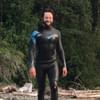
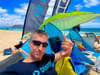

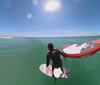
Richard from Foil and Co (AFS) join us on the show to talk about his intro into wind sports, his position at AFS and about their newest foils, boards and windsurf boards.
Visit: https://foilandco.eu/afs-foils/
Watch Full Episode on Youtube: https://youtu.be/khe6pTi1uyA
Episode Page:
Support us by visiting, commenting and liking:
Join Canadian Wing Foil Classifieds & Learning Centre on Facebook
Follow us on Instagram
Follow us on Facebook
Visit our Website for upcoming episodes and to get involved.
[00:00:00] Welcome to The Wing Life Podcast where we talk about wing foiling and the lifestyles of those who enjoy this great sport. Okay Richard, I want to say thanks a lot for taking the time at your busy day to join us here in the show. Yeah, welcome.
[00:00:23] Thanks for having me, Luc. Yeah, I really looking forward to talking about you and then also AFS. You guys got a lot of products, so our audience is always looking to learn more in myself as well about foils, boards, wings, everything, so I'm really looking forward to this.
[00:00:41] Cool. Nice. So let's start out with a little bit about you. How did you first off find wind? Let's start there. My first background was actually wind surfing. I started around the, I guess, around 1819 wind surfing.
[00:01:01] Actually, I'm originally actually from Paris, I was not living on the coastline until I got to about 20 years old, pretty rich. So all my cities in the pretty much been born and raised around Paris, I'm moved in the south of France,
[00:01:19] actually to, yeah, for my passion of wind surfing that was getting more and more obsessed by it. And I felt like I needed to move on the coastline for awesome reason. Good reasons, I guess. Yeah, so I've been putting into wind surfing for a couple of years.
[00:01:41] And it was around, and of 1998, 1999 something like that. Then it was also the beginning of a kiteboarding, back then. And I had a chance to try kiteboarding then that was actually a great solution for light wind riding basically for all those non-wind days or light wind days.
[00:02:07] I was mainly, as I was mainly focusing on way riding wind surfing, like a needed quite decent distance strength of wind actually to enjoy myself especially in the south of France. It's needs to be quite windy to be waiting. And so yeah, kiteboarding came along.
[00:02:25] Been hooked on it straight away also was wind surfing and kiteboarding at the same time pretty much like when it was light and what's kiteboarding then strong wind wind surfing.
[00:02:36] Then moved full time pretty much in kiteboarding then after it because it was actually the beginning of all the comes in France and in Europe and stuff like that, you know, I think a lot of other guys got really excited by this new era of kiteboarding and I've actually been.
[00:02:57] So in a few comes, doing a few or carry a result and got actually the chance to have some sponsorship sponsorship deal that can pretty quickly actually because. Back then, a lot of bands were looking for some baths to. Yeah, to represent them on comes.
[00:03:19] My friends are all over the world pretty much and other chance to be to to find those nice answers that give me a live that out for about 10 years. So I've been doing a lot of comps and trips. What am I going to say?
[00:03:37] That's pretty nice highboarding nice which brands did you start riding for my main sponsor was a flexi for quite a while. I've had a few other one before that flexi for this UK brand that have not lost some sort of buy it actually so.
[00:03:51] I'm being riding for the brand also before, but yeah was a great experience because I've learned a lot actually on the. The whole night that all those different spots in different areas and different habits for from yeah from I would say different markets also in the way.
[00:04:12] Even though I was not involved into a commercial back then. I was still learned a lot about how it was working in some places there were not so many shops that loads of highboarding schools or. Ciboring centers and stuff like that, you know, in some other country.
[00:04:31] We were visiting sometimes some some shops and everything to do some promotion and stuff like that. Okay, no, so that gave you pretty interesting. Thank you. You're pretty good intro into what you're kind of doing now. Yeah, absolutely. I was also actually my first go on the.
[00:04:47] On the foil without being pulled by boat, basically. I don't know if you you look were you kind of getting before you started. I started when surfing I think I've been doing it for 10 years.
[00:05:00] My brother was when surfing before and he got me into it and then I got hooked in the world stopped and I just went surfed. And.
[00:05:08] And so in same kind of thing we're always looking for a nice nice nice well to ride and then we found that we had to go fire and higher in wind. And swell to get to get that and then then foil and came around and.
[00:05:22] A lot of us then have taken that time to multi sport kind of master so it's like focused something on.
[00:05:28] I'm going towards this so yeah, I have guided I wanted to kind of a little bit more of the summer actually just get on the surfboard and get a bit more fluent. And so we're kind of different sports, which I think they're all amazing. So yeah.
[00:05:40] Yeah, and I'm sure I agree with that. And yeah, it's like I've been focusing quite heavy on some sports for us and sage and everything but I'm always more than king to jump on a winter for a jump on a kite and education.
[00:05:54] Oh yeah nice how did it was living just as a paris or in Paris, how did you originally get interested in water sports period given there is not too much water you're saying around there.
[00:06:04] Well, yeah, I think the first good I mean my first interest into it was really some of my friend from Paris, I'm going on holiday with them in the South of France.
[00:06:18] And they were already win surfing because they were spending the holidays there since quite a while and yeah I got interested by that pretty much straight away and.
[00:06:27] I think I will always take for for water, I think, for water sports because even a tiny bit earlier on that.
[00:06:36] I felt like I was there was something about it here for me so even though my parents were not at all into any water sports or whatever you know and like yeah this is funny sometimes you feel like the ocean is there. Yeah, there's something.
[00:06:51] Because I'm living in you you clue it right now just in on Vancouver Island and I'm just started surfing actually so go out there and I surf in the evenings and there's something.
[00:07:01] Yeah, there's something that the ocean calls and it's even if you get a hour per day and you get to sit there and you get to watch stuff there's something how it makes you feel so I was always curious.
[00:07:12] But so you went to a bit of a pro career and then when did you start with with AFS. So hey, it's actually pretty recent because I've been working for a long time for Takuma actually.
[00:07:27] Yeah, since the beginning of the company until a year and a half ago. And I really wanted to get more and more involved into R&D and AFS of the midis opportunity of other we are a full factory.
[00:07:47] So it was much easier for me to get involved into a product development because there was need. And more opportunities basically to develop some new product kind of everything because as a factory it's actually much easier to.
[00:08:06] To release some new foil design or bought design because you don't have those straight numbers of fall that you're supposed to to release or to sell before you get to to be able to develop another one basically. There's no aim or cue.
[00:08:24] I mean, you were most quantities and stuff like that so you could be more creative I think if you got this.
[00:08:30] This opportunity to to be able to go for some pretty specific fall every now and again even though they are not going to be the most demanded on the market. And that being about to produce them so keep the excitement of a passion of something like me.
[00:08:48] Oh, that's nice okay. So what I would like to kind of go through all the products that you offer but maybe let's start off with. Let's start off with foils how about there.
[00:09:01] Yeah so we've got a whole range of going from being able to pretty much providers which we've tried to push as much as possible to. And so we've got a lot of performance side of it also to make sure that people won't get bored.
[00:09:16] After a certain time I'm fully aware and fully convinced that the gear. Could get people which get bored pretty quickly with the sensation from what they get from one spot or another one with the right equipment it keeps the excitement alive for quite a way.
[00:09:35] And so yeah we go from big in a forest like let's say fly off with set which have a pretty big span but the really thick profile so to create this great low end and the capacity of flying actually pretty slow.
[00:09:56] So you're able to get a great lift even without going faster, it's pretty reassured. Really a level wing foiler looking for an epic adventure this winter. If yes I suggest you reserve your spot for the wing foil expedition hosted by Agua Salada.
[00:10:11] Baja California sir adventures this coming January. This trip is going to be absolutely amazing it includes oceanfront accommodations airport pick up and drop off fresh locally made food and snacks created by a local artisan al chef yoga massages five days of wing foiling.
[00:10:30] And the best part over 100 kilometers of boat assisted downwinders just imagine the freedom and peace of mind that will provide.
[00:10:38] I look will be one of your wing foil coaches on this trip so via great time to know the enjoy the downwinders but also ask questions to approve your writing.
[00:10:49] Our trip will take you on different parts of love and tana and baja that you would not otherwise be able to access without about to learn more visit winglife podcast calm and click on trips in the main navigation menu once again visit winglife podcast calm and click on trips in the menu with only eight spots available.
[00:11:09] We know it's going to book up fast so we recommend that you act quickly I'll see there. I'll show you how many big in a.
[00:11:17] Great lot of speed lift and great stability in general and then after we move into the perfume arranged which is more over around the great evolution for basically that's going to allow you to get faster more glide and the fly arranged and by reducing the side of those for you getting more and more performances.
[00:11:43] It goes from one thousand nine hundred centimeters and to seven fifty so this quite a few sizes on this French.
[00:11:55] And what we've been releasing last couple of months is that those all model block foils which are the high hand from the F.S advanced range, which are looking a bit like that I could show you one that's the latest release actually.
[00:12:12] This one is the silk so those one are full model block except the tell is a changeable so there's a couple of shoes for the tell here.
[00:12:23] But the rest of the 40 is a one piece basically just attached the must so what it allows us actually to reduce quite dramatically the size of the fuselage and by then we are reducing quite dramatically also to try to get up the forg.
[00:12:40] So those for the immense glide even though this one is more of a. Surf foil or ray riding for with collet and the all the other fall from the range from a fs advanced other. Huge glide and basically great performance or ramp from glide to.
[00:13:01] Turning everything to to the capacity of handling high speed also. So that's the this one is the silk. That's the one that we've been developing with law on the on your.
[00:13:14] Is being specialized into a this kind of design for quite a while it was doing this kind of design for attack. Before and it's been working heavily on those kind of design with.
[00:13:28] Yeah quite a few details on it that makes it that special and this this one is probably one of their first for. The first for where the flex in the tips of the fall has been worked pretty much like a like a surfing fin in a way.
[00:13:46] So it's quite flexion the tips and super rigid into the mask connection the mask itself is super rigid the fuselage also.
[00:13:56] But this fall as it as a great were very riding for needs to feel kind of alive exactly like you would expect a so about to be alive to kind of flex.
[00:14:05] Kind of flex then rebound from the flex and cue to give you some projects and in terms and also to be able to actually turn tighter.
[00:14:15] And so there's been a lot of work on that and on the tips of the front wing the same for the tips of the.
[00:14:22] Of the back wing actually I don't know if you could see it that it's quite flexy also on the tips here while still maintaining the maximum rigidity here in the middle.
[00:14:31] So working exactly like a still what to basically so so but things going to be flexing on the tips.
[00:14:38] The mono block for those at home who are not sure whether to go with a like a modular system where you have your fuse and you add your front tail wing. What makes that unique or. What why would somebody go towards a mono versus more of a modular.
[00:14:54] For more efficiency basically where I don't do some for which I'm going to be lighter. Stronger with better glide better performance in general because all there's no connection anymore if we could reduce pretty much everything any connection needs to.
[00:15:10] To be bulky enough to be solid in a way and if you're not breaking any of the. The rigidity of the any carbon fiber that like that keeps the whole the whole foil one piece, you know and there's no going to be any.
[00:15:31] The flex patterns are going to be even pretty much all the way even though we choose to reach rigidity in some parts using some high middle scab on or even a ultra high middle scab on in something places.
[00:15:45] Where I vote to control the flex much more than if there is any connection as soon as there is a connection there's going to be some. Rigid parts that are not going to be flexing the same way as the rest of the foil in a way.
[00:15:59] It doesn't mean that any. It's multiple for it's not going to be good doesn't mean that but in the ideal you wanted to work to work as a one piece.
[00:16:09] So as soon as you pick the length of use this like the size of front wing and even that then you go with that module you get the whole thing and then you can add different differentiate your tails after.
[00:16:23] Each foil has a specific stabilizer size that goes with it and there's also each front wing as a specific size of fuselage actually goes with it also so everything has been tuned like to the max to make sure that's going to be the.
[00:16:42] The best feeling basically so just to give you comparison the 10 50 which is the biggest size of our.
[00:16:49] As a short of fuselage than the 850 that as a short of fuselage than the 60 because we consider that the 60 is going to be used into decent strong to stronger i i either swing strong wing condition or.
[00:17:07] Kind of bigger waves medium to big waves so you we are we want to optimize control for this one. The a 50 is going to be the in between so there's a good balance between efficiency and control on this one.
[00:17:20] That you we are looking for and while on the 10 50 you're not supposed to use this 10 50 into huge condition. So we're going to maximize efficiency and purely we know that control is not going to be an issue because in both condition where you're likely to use this one.
[00:17:35] You're going to want some efficiency pumping ability and stuff like that, you know, and it that session underwater it makes a lot of sense because. You could feel straight away that you're you you're all the time after some maneuverability with a big bigger equipment.
[00:17:52] You want you want to be able to handle it and then to to make it turn to putting the right spot on a wave or on the downwinder to take that the good lines as the flag that while when you're using those small for in heavy condition.
[00:18:06] You really want to maximize control because that's going to be about controlling those conditions condition decide pretty much everything. Fair enough and so the front wing I'm seeing it there's that kind of Tacoma ripple effect on it. Yeah, what does that do yeah.
[00:18:21] So this this those burns are actually affecting the the stall of the of the file so it's kind of making the stall much softer.
[00:18:33] Of the fall that's the main attribute of those bumps so any fall that's going to be used in two those rough environment waybriding 18 white waters and stuff like that.
[00:18:45] That's going to make the fall much more easy to control and to to is going to be more forgiving basically.
[00:18:53] And so Lauren has been working on those type of first things really long time and the story behind it is actually a young guy from Nucaridonia that came up to him and told him about suggesting actually to try this kind of shapes on the on the foil.
[00:19:13] But he was not the first one actually to do it. There was a guy. I think his name is Rhino Barbier. It was doing that for Monta for the while ago and it's just that Lauren has been pushing really heavy the concept to make it appropriate to those specific use of those specific.
[00:19:34] So it's a free ride waybriding for us and he was doing already some great for us before using those bumps.
[00:19:42] But it's been the one pushing the most for sure on on any of those of Sophie went for a falling to to push this concept to put it to the max so it's specializing to those for with bumps with a small winglets and basically extra amount of mobility.
[00:20:01] And to make them super smooth into a raybriding and downwinding in all this kind of stuff. They actually fast fo it also that we are faster fo it in the range so we would consider that more of a free ridey way riding.
[00:20:14] Okay, so what they're going to help because sometimes when you're your other hit wave or even going behind a boat you'll feel that turbulence or cross chopped so what you're saying is this will help reduce some of the turbulence.
[00:20:26] Yeah, there's actually some studies some sort of a lot of studies which are available on that and those one have been using on the winglets and raising boats obviously but this quite actually quite a few.
[00:20:39] The Utah is that use those tubercles it's not exactly new it's been used before and this quite a few article yeah that shows the exact purpose of those kind of things on the phone.
[00:20:52] Doesn't mean that without it to for would not work but for the specific purpose like it does help you have to show. It's actually making more and more sense now that we are pushing the performances of the for each direction.
[00:21:08] It's making even more sense than before I think. Okay, so I'm on your website right now and so even if I go over to the foiling tab. So you have your wing foiling sub foiling surf foiling downwinding and then wind surf foiling.
[00:21:25] So now are there's breaking down foils per category or there's some crossover there as well.
[00:21:32] Yeah, there's some crossover because still for example and the pure which is one of the other one in the range also that's the one that most of our team writer that using at the gdvaru a for free style.
[00:21:45] The pure 700 red this one yeah that's the monoblock also we have different tales that goes on it also some some already more surfies some are going to be more free.
[00:21:55] Racy I would say and then between also with that two option of position man on on the of the stab to make it either extra attorney or.
[00:22:06] The other way would be extra control would say I speed so this for this going to be it's actually a thing or profile and it's here. It's going to be a tiny bit faster and top speed.
[00:22:19] It's going to be huge control this one is really a control is still going to be turning enough actually in a way so both of those for the left show you are actually really good crossover foils.
[00:22:31] They go from surf falling to set for a link to win falling obviously you could wake for obviously with them also. Could consider to be able to to win surf winds are follow so with.
[00:22:46] In a free ride way I would say even though we are there some pretty specialized rating wins up in for so we will consider that the most of the of the guys which are.
[00:22:58] Following on the win surf. We are with a f s going through the specific wins up and forth. Now you're mentioning as well for control you can play with your tail wing.
[00:23:08] Can we go into a little bit of that just explain those dynamics and how it affects the overall experience. Yeah basically there's a there's a balance actually to work on the foil and. There's an idea balance number for each one queen needs.
[00:23:24] Quite a special amount of stabilization to make it a super efficient efficient especially if you want to keep. This nice turning ability.
[00:23:34] If it's just to go along you could choose quite a few few steps you're going to be fine most of time you are that's going to add or reduce your your back foot and phone for pressure if you take the wrong one I would say.
[00:23:49] I would say that's still going to be right able most of time. But then after if you want to have the best balance and the best balance as possible for your for which is having a really even phone food to back foot pressure.
[00:24:03] Plus keeping some great maneuverability also then you're going to be able to you're going to need to choose a stop that's going to be really suited to the front wing.
[00:24:12] So the best way to increase the range basic of the foil and to enjoy the range all the way.
[00:24:20] From maneuverability to glide to top speed control and everything there's going to be one stop that's going to be better than the other one for that even though you could you could play around and use sometimes a bit of a bigger stab in light and condition you could kind of create.
[00:24:39] Simulation of the foil that would be slightly bigger in a way. But that's not what we would recommend as a daily use because at some point you're going to sacrifice something so.
[00:24:52] The more we go in performances in high performances the the more we realize that this quite a specific size of stop that's going to be ideal for each front wing.
[00:25:05] The good thing about it though is like all those high hand foil are the huge range so most of time they are a bit more pricey obviously but most of time you end up being able to do much more than what would you do with the with a more average for that would say.
[00:25:24] I think it's quite comparable to win stopping sales and even kite in general you know high quality gear gives you more range basically you're going to be able to have a better low and better high hand.
[00:25:39] Because the control is going to be increased and still the performance is going to be higher for everything pretty much so we realize that and that's why actually high performance gear doesn't mean that is going to be that technical to use.
[00:25:54] And we end up now realizing actually that a lot of customers could have had like enjoying some pretty high performance gear because there's high performance gear into bigger size of foil also.
[00:26:11] There's this we have a big high aspect I don't know then with me he actually at the on the booth that we've been working heavily on the high aspect for recently for done windings so full done winding which have been super keen on.
[00:26:26] And we have great results with those for those for our crazy efficient kind of mind blowing because you're going to get the obviously a huge increase in glide capability.
[00:26:39] But they actually pretty turn it for big for it's quite amazing from even with the span of one one 10 meter and one meter span. You're able to turn those for pretty pretty well and it's quite surprising we end up using those ones in.
[00:26:59] In an activity is that you wouldn't expect them to to be interesting you know so I could win for them.
[00:27:06] So for them obviously but I'm so forth and also and most of the time they are they are good on turning because those high aspect they actually they have a huge span.
[00:27:17] But actually their tips are super thin you know and sometimes I think people are kind of thinking that those big span are not going to be turning.
[00:27:28] But there's a big difference on how much meat you're going to have basically in those tips and if it's a one meter span foil.
[00:27:36] If it has tiny tips it's pretty much like saying that this for is not it's going to be below one meter in a way you know so it doesn't mean that much force to to push it in the water you know those tips.
[00:27:50] So that's one of the reason why those new super high aspect like that actually pretty turning for for for for for for those span you know. Back then you know a couple years ago like the media aspect they were so fat.
[00:28:08] So if you had a 2000 that was super fat for example and you went to turn that it was like a Boeing jet but now you're saying they're making them a little bit thinner in that.
[00:28:18] There's actually from span but not much surface area in two those tips so they actually turning for that reason you see exactly what you're saying it's like a year like a couple of years ago one meter span foil was probably about two seven.
[00:28:33] Five and now the pure eleven on road is actually a eleven on road. Size and for one ten actually span also. So it's actually a pretty small foil with a big span but it does the efficiency of a big foil basically I mean much more efficiency.
[00:28:53] So it's one interesting to try and then a lot of guys which are an average level of writing.
[00:28:59] We'll be able to enjoy those one big time because they are actually the one where the transition that you're going to have to do a wing falling stuff are going to be the easiest by far.
[00:29:08] Because from one super reason they are the fall that brings you the most glide and the glide is what you need to be able to secure the transition because you're going to have more time to put your hand on the envelope.
[00:29:21] So what would you consider the pure and the silk vener they more of like a mid kind of.
[00:29:28] Yeah, yeah pure seven and we're the pure nine on road they are mid aspect to us and the silk is also a mid aspect even though even though they are high aspect than most of the high aspect that used to go.
[00:29:41] Used to be on a market maybe two years ago. Now pretty much talking high aspect in FS from a I led and under it towards it's pretty much.
[00:29:52] Meet me to high aspect and the pure high turnover which is one of the latest release is actually 13.3 a bit more than 30.3 actually.
[00:30:03] So the glide that you get out of it is just mind blowing it's just crazy that the amount of of grip that you get wing falling to go a point but the glide that you get while you're pumping the speed that you get when you're pumping with it also.
[00:30:21] And yeah it's pretty mind blowing I think I was not expecting false to go that far in efficiency a couple of a couple of months ago and I thought it was not going to be put possible. Yeah, yeah it's crazy it's going to fast this year.
[00:30:39] I think the thing is we've been working on new technologies that allow us actually to go further on design and back then the design what kind of stuck into what kind of carbon we were both to use and the price that would.
[00:31:04] The gear we're in the being really pricey if we use those different type of carbon stuff like that you know but moving to a chest allowed me actually to use some different material that most brand would not be able to use that easily because pretty expensive and either.
[00:31:24] Your work with the factory which is keen enough to do a smaller small number of release of those for with this material.
[00:31:33] Or it's going to be complicated and as a factory we kind of decide whether we want to use this those technologies are not and so we've been playing around a lot with those different types of carbon so.
[00:31:49] Regular carbon H and carbon obviously high modulus but also ultra high modulus that would be using quite a lot lately for all those HAs and all those plain actually that. Silicon pure in the range.
[00:32:05] Yeah, I was talking to the one of the co founders of Apple Tree surfboards the other day they're based at a Holland and Portugal and their factory as well and he said the exact same thing he can then test develop.
[00:32:16] Play and go and use that gear and come back on a much smaller scale rather than having to ramp up production and then not worrying about if it's going to sell or not.
[00:32:26] Because then you're actually able to push out gear that's of quality rather than selling it batches which happens sometimes before we get too far ahead much want to for those at home who are just getting into what is aspect ratio and how does that.
[00:32:40] How are that effect your choice and maybe buying a full well. That's going to be a fun I think the best comparison would be a glider compared to a jet jet plane basically so.
[00:32:54] Biggest effect ratio like on a glider is going to allow you to get some great efficiency of the fall without being into a great energy environment basically low energy environment either without an engine or when you need some glide without something to push you when you're going to want to exploit any for that winning is a great example you want something that's going to be.
[00:33:20] Going along without spending to mention energy so you want those big span and less call as possible because that's going to be some friction and you want those want to be able to. To glide into those kind of low energy environment in a way.
[00:33:38] While on the other hand lower aspect I got a need quite a lot of energy to be efficient but going to be great on control on the other side so.
[00:33:46] So it's exactly like having a glider that's not going to be motorized at all, but that's going to be super efficient as long as you put it in the air is going to fly forever and the jet jet.
[00:33:59] Jet plane is going to need to be powered up all the time to be able to go fast first of all, but then after you're going to you're going to be able to create a lot of control with this kind of shape.
[00:34:09] So all the the race before you know the pre-styled for ray running for most of them they can have a reduced span to be able to turn really quickly even in high speed.
[00:34:21] While the gliders it's not their purpose to be super turning high speed they're going to be turning in low to average to to medium side medium speed.
[00:34:31] But their main goal is not top speed it's going to be average speed basically and that's why for downwinding and it's going to be just your great choice.
[00:34:42] They're super efficient if you use too much of a small span for downwinding your you will feel like you're you're going to be always on the power by your for basically.
[00:34:53] It's not going to want to create lift until you get to a huge burnt with a really steep or you're going to have to take your wing again in your hand and there to be powered up you want you need to be powered up those smaller small for that's going to create a lot of control.
[00:35:09] There's a view CD in between also. Those four which are kind of mid to high aspect they are compromised but for sure for people who are looking for new sensation.
[00:35:21] Like going high aspect quite good solution because they have a good low hand and they have huge glides that's going to help transition as I was saying just before, but also for to create some great pumping.
[00:35:35] Guys which are struggling a bit with the whole pumping thing the high aspect are huge what they were dipping to the table.
[00:35:43] So it's kind of good to mix it up I think because there's no one single solution to make it to make it great in this sport which are going to be fantastic in some condition and some other one I'm going to be great also for depending on what you what you search for better.
[00:36:03] It's good to try them out I think because something for you going to be surprised by how much some of those high performance spoiled actually. Pretty easy to use and efficient to the point that it's going to help dramatically for some stuff.
[00:36:21] Okay yeah because all we see everywhere now are pumping videos and then everybody's asking what are they writing. What are they writing how can they do that and so then the whole discussion takes off from there but.
[00:36:37] Could we look a little bit of at court as well so explain those for people at home. Yeah so basically so I was talking about the this part of you see it's fun from one tip to the other.
[00:36:48] So that's going to be this distance here and the court is going to be that distance basically so. The final it gets this way the more efficient is going to be the for it especially in quite.
[00:37:02] Stop condition for those of you that are just on audio Richard showing us so they have the the width of the foil and then just how thick that foil as I guess from. Yeah I guess from from that front of the foil working down towards the fuse.
[00:37:20] So that's what we're talking about the court but they're pretty thin overall in general right.
[00:37:26] Yeah those one yeah this one is actually a tiny bit thicker than the pure best still so it's going to create also some power and depending on the speed range that you aiming to.
[00:37:37] To fly and you're going to use some different profile basic is our racing for is going to be super thin. A rave riding for doesn't want to be that thing because a super thing for needs to go fast.
[00:37:51] To be comfortable while tiny bit thicker profile will be really comfortable in speeds. That's going to be ideal for rave riding basically so. There's a each program for is going to have a specific range of speed where it's going to excel.
[00:38:12] And that's what you're using for let's say if you've compared up to any car or whatever formula one is not going to be ideal to to to to drive into.
[00:38:23] In to a super small city with a really really sharp edges and stuff like that you know sharp corners you're going to be probably better on going on a cutting for this kind of stuff.
[00:38:33] While if you go a tiny bit the wider streets and stuff like that maybe like Monaco, good example because formula one to the cities there.
[00:38:42] Then you will be able to use a bigger car formula one and if it goes even higher in speed that's probably going to be a different shape again that's going to be ideal so there's different sizes of foil of span and everything that's going to be ideal for each.
[00:38:58] Speed of riding basically so the optimization of the size of the star the thickness of the profile and the profile itself that we're going to choose.
[00:39:08] It's going to be on whether the speed range the ideal speed range for this for this is going to be let's say from 10 knots to 20 knots or if it's going to be from 25 not to 35 knots basically off of riding basically not not even talking about the wind up the amount of wind.
[00:39:27] That you're going to be riding that just the speed that you are having to ride because there's basically around approximately around 10 knots of ideal range for any any for between 12 not maybe 13 knots and these range is not extendable.
[00:39:46] So basically foil which are super good at really high speed will never be fantastic a super low speed that's not working this way and the other way around then you could move it move it tighter.
[00:40:02] Yeah, because I was on I was on the lake here on the island. I think it was last week and one of my buddies wind surf oils and I tried to keep up with them with my mid aspect Armstrong that I have crazy how fast when when surf foil and can be.
[00:40:18] He was just ripping so now I was trying to catch up and I meant to give up because if I was going to fall off the wipe out would have been catastrophic.
[00:40:25] But it's it's a fascinating learning about all of that because there's a lot of questions floating around and people are just there's so much gear now.
[00:40:35] That they're always curious what to do. So for maneuverability you're saying we can play with either the front wing but it's best to get your stab so you're tail wing.
[00:40:45] You can cheat that a little bit for maneuverability but it'll still you'll end up having more front foot back foot pressures what you're saying if it's not equally matched.
[00:40:54] Yeah exactly yeah so basically for this one is a good example I think it's a pretty small stab for fall in this size. That's actually as also a pretty specific shape.
[00:41:06] It's actually really things that it's super since that because we've been working on the flexor for it so it's actually flexi in the tips pretty thin. With a profile that's still going to be forgiving enough to be great.
[00:41:19] We're writing stab basically for the the gliders for the H a we have obviously H a stab also which are going to be great optimization of the glide because the glide is going to be the priority for those stabs.
[00:41:34] For those for the priority is going to be controlled maneuverability and control of the same time. So everything is optimized for that the the outline of the of the stab that you can see here.
[00:41:48] And obviously the profile of the stab also so as the so as the span of it so just general balance and when you go on a fall that's really well balanced you we know that it's going to be more forgiving that the for that's not balanced basically.
[00:42:07] If you end up having to compensate a lot of once put a back through pressure on your foil. There's something wrong about it and if you need to compensate in normal condition, if you get into heavier condition.
[00:42:22] The compensation that you need and then need to do is going to be huge and you're going to lose a lot of control with.
[00:42:28] Yeah, with those more and fall basically like what law is always telling us as designer is telling me that the you will be able to stop designing for when it will be able to get a fall that you could write without a basic with closing your eyes.
[00:42:44] And still be able to write so it's basically trying to get a foil that it's going to be that intuitive that basically you are not going to have to concentrate yourself on.
[00:42:56] Putting the right amount of pressure on any legs and one and this for this actually pretty close on that it's the balance of it is pretty.
[00:43:04] So you're going to be surprising you expect to be on the foil and trying starting to fight to be against your phone food to try to push down the foil and stuff like we used to do before.
[00:43:14] Doesn't work like that anymore this one is super even and that's why you could. Keep yourself like keep your mind and concentration on the on the line that you're going to take away writing because you don't need to care of the hype on the master.
[00:43:29] Or of the point because they're fully pretty much dealing without thematically so then with your your mass track on your on your foil board.
[00:43:37] Does it matter if you moved that foil all the way to the front all the way to the back put it somewhere in the middle, how does that affect everything.
[00:43:44] Yeah it's a very effective tiny bit because you could still refine exactly where's going to be the best position but even if you put it in the wrong position there's not going to be a due J4 for you to compensate.
[00:43:57] And because of this balance super balance is back he's like being on the middle of a stick like there's not going to take much effort to go from back to from back with to the front foot you know and that was a big part of the job on this point is creating this whole amount of abilities so it feels like like you're on a balloon basically doesn't angle there's no the transition from ready to ready is going to be perfectly fluid.
[00:44:25] And that's that's the that was the goal on a fall this specific for you know on other fall we're going to work on some other step even though we're trying to work on something that's going to be.
[00:44:37] I think she's in up and to be able to still turn those foil which are not super stupid turning originally we want everything to be turning enough obviously and we want everything to be glide enough even though the glide was not a priority on this point it's super glide compared to what was an impact like even a couple months ago you know.
[00:44:56] I just just that the glider that we create since then I've pushed the glide to to level that there is no discussion on what's glider most or on our methods super glide as well because you want a careful to be able to turn around and stuff like that so.
[00:45:11] If there is no wave connection it's not a good it's not a good self or any more so you need to have a. My new probability and pumping ability at the same time and how.
[00:45:22] How are you making how do you make for us for those who are not sure is it a mold I let's go over the basics yeah yeah so it's big I mean a big aluminum mold.
[00:45:37] Where there's a lot of we are doing only pre peck carbon so it's different layers of pre peck carbon of different type of qualities depending on what you're aiming for.
[00:45:48] If you're aiming extremely gd t you're going to put some specific type of carbon in the middle middle section for example if you're aiming for tiny bit more flex in some parts.
[00:45:57] We're going to use a different type of carbon with different layers and then after those all those carbonyls are putting to a mold.
[00:46:07] I'll immediately go on that's going to be that we put some heat on it basically it's going to be cooked and after this long process of finish finishing there's a lot of sending to make sure this going to be a rough move and stuff like that plus.
[00:46:25] Yeah, the whole painting and there's a lot of time after it gets out from the mold to make it to make it perfect.
[00:46:33] Now a lot of those then so you have to make different so if you're going to need to our indeed for example you're making different molds or.
[00:46:39] Yeah, we do some non definitive mold for some of the prototype we do some more that can be used just for a few prototype until we kind of know which design we're going to call and then after it goes one are going to be different from the production mold which are going to be bigger heavier.
[00:46:54] Well, so it and there's a lot of work on the computer up first. We work with a few designers work with the designer and the UK was a cave in the hallway as the huge experience in both choices.
[00:47:08] And it's been a huge help for us for some of those specific for the gliders and some of the racing for is being the one they bought with it will be using low on the other way for on the other side for.
[00:47:22] The whole wave writing experience because you have a huge experience actually on those type of folks out and we so with a cabin we work a lot of on C. F. D.
[00:47:31] And so we are creating basically we are putting on on the paper the range of the fall that we're looking for and he's going to create a profile and.
[00:47:43] And we're going to tweak some some stuff to make it either a bit early or increasing the control of like that, you know, we're trying to decide as much as possible on paper on what are we looking for.
[00:47:58] And we're going to put all the the numbers that we need to make sure it's going to go this way and then for testing how do you is a pro riders the test stuff is as there.
[00:48:08] Does a computer help kind of have a ballpark of what it will perform like. Yeah, so Kevin is about to give us even before the first product I tell us what what this design is going to do.
[00:48:21] And the law on the other side pretty much knows also even though he's not using the computer as much as a as Kevin.
[00:48:29] In no some experience because it's been doing so many prototypes on this on his own that has been testing is actually mind blowing the amount of testing has been doing.
[00:48:39] So there's two different ways, but yeah, depending on the type of fall that we are creating there's going to be some guys in the company which are going to be. More able to testing to this or this category let's say for.
[00:48:56] Speedwing for you, there's a few guys actually internally some of their some of the engineers are Kevin and content and Bruno with the chief tester are going to be able to test those one might have a go on it also some of the providers also obviously.
[00:49:11] But our first normally most of the guys inside the company are testing it to see if it's. It looks right first of all, then after to push it to the max sometimes we are going to have our riders which are going to test it obviously at some point.
[00:49:29] But we're making sure that those structure is going to be ideal and the performance level is already there and then after we push it to the max to end up knowing exactly if it's a stop not sure not and for the gliders and done when for them testing quite a lot myself because I'm based in the south of France.
[00:49:47] And it's a pretty famous location for done winning a big one of done when they once I'm taking care as much as possible. Hey that's fun. Where are your friends? I close on my side between my say and to know.
[00:50:01] And the Mediterranean coast is actually perfect for done winning it's crazy condition that we get there just mind blowing so I've been really passionate by that side of the of the whole falling since 2017 about done winning on the support.
[00:50:21] With a great friend of mine and I've kept on doing that yeah since that and the gear that we did develop. Crazy amount of performance you get out of it is just mind blowing.
[00:50:34] So we go pretty often now for long distances and have gone for a bit more than 100 k's recently. For falling for yeah and all along the all around the coast between mace and the other way around so yeah I mean.
[00:50:53] Great spot for that goes pretty fast you could end up doing some pretty long distances. A bit further a bit out from the coast you know so the whole experience is pretty intense because what is pretty dark and surrounded by boats and stuff like that you know.
[00:51:10] Yeah how far have sure the Africa. It's not that far offshore you end up being either out there between between 500 meters and maybe two k's. There's no need to go further offshore now we run that we have the.
[00:51:29] They are line pretty well you could follow the coast line pretty pretty close but still even just a color of the water you know change pretty dark blue. It's big fish could see big fish and yeah I mean.
[00:51:45] This is a different adventure but it's great yeah it's actually kind of practice where it's never going to be too crowded you know so. It's yeah probably the closest I could I could see from being the full the full package for freedom of surfing you know that.
[00:52:06] There's no limitation on anything basically you could do as many turns as you want there won't be anybody on your way because. The ocean is quite big you know so.
[00:52:15] When's the best seasons then for you there for wind like up here it's it's spring and fall but what's the different front. I would say the same yes I mean wind to time spring and fall idea even though summertime could do windy.
[00:52:31] Like July is been pretty windy I was there like last week we had a full full week of strong wind between 25 and 45 notes I would say yeah that's pretty cool.
[00:52:44] You could get flat sometimes in summertime also but most of time fall and autumn it's windy yeah wind wind the time is windy also sometimes it's kind of could be on enough in the summer but the rest of the time it's pretty windy there.
[00:53:01] What did your first I guess when was it and what did your first foil flight feel like and did you think that this would ever get this big.
[00:53:12] Yeah no that's a good question actually because I'll tell you what like if you've asked me this question a couple of months ago.
[00:53:21] I think I would have been wrong because I would have almost forgotten the first time I flew a few action on on a on a foil and I realized like a couple of months ago that my first goal was behind a boat with a friend in French police French for in Asia near Tahiti and he twice in 2003.
[00:53:40] So a long time ago and it was that far away from me that I didn't even realize that it was something that I was not even struck or excited by then.
[00:53:53] And I was a friend of mine who did build this hydro foil itself it was a friend of mine that I was competing, guy running with and.
[00:54:03] We tested this gear and I've done my first few flight but never got I mean they've been successful goes like you know but never got super excited by it because I feel like.
[00:54:15] I was getting told by boat basically was not allowing me allowing me to to fantasize on what cannot go without what can I do without the boat basically you know and that's why I would.
[00:54:30] Bruno in the company is actually in the first one of the first guys to to foil actually to win so far and to support.
[00:54:38] In 2009 so super early actually heard you're the entire and it was one of the pioneers big time of all for you there was some guys falling before him.
[00:54:50] But uh, surf falling I think he was really one of the first guys actually falling without any say or whatever you know he was a win surfing for him obviously before. His name is Bruno Andre and yeah was doing that.
[00:55:04] But yeah, the first experience was 2003 and I think my second experience was probably. Kai's falling maybe. I would say around 2010 something like that. And then after proper surf falling surf falling and 2015 so what were those foils made was that was aluminum back then right.
[00:55:31] Yeah, it was already five of us because he was um he was already working with carbon fiber gas because he had a used to do. Kai bothered. He had a small kite border shape company back then he's not actually doing some.
[00:55:54] Uh, Vaha so the French Polynesian can do actually you know as I still working actually with carbon and the fiber gas and stuff like that.
[00:56:03] But yeah back then it was the the first product tried was already carbon and public gas and the other one that I've tried after when I was.
[00:56:11] I was still carbon. I think it was the brand was but then car. You know, it was one of the pioneers actually one of their first one on the market like then. Thank you was raising Maui from the world.
[00:56:24] So it didn't it just didn't go mainstream until so it was just more nichey back then I guess.
[00:56:30] Absolutely that's quite strange actually because it's really pretty unique to to have explored that a lot of guys that I know have been fiddling around like back then without being obsessed by it, you know and all of a sudden couple of years ago.
[00:56:47] Just seeing somebody doing something different with it basically open all the highs on the what can we do with it.
[00:56:56] And I think it was really the fact that Kai showed us and in a way that you're able to glide without any other power than either the wind or or the swell to meet the first shocking the really the shocking part was the downwinding images from Kai that
[00:57:16] me to think that it was going to be the future because I really really was showing the efficiency of a forward basically before that.
[00:57:26] If you have to get pulled by boat or if you have to get pulled by a kite or something like that, or even by wind something. I thought it was going to be something but not as exciting as something that would be able to.
[00:57:39] To work without the getting being pulled by something basically and being able to write some swell for a long time or so that added level of freedom rather than being more restricted.
[00:57:51] I'm exactly that. Yeah, I think that's the freedom part of it is a what got a lot of people exactly at least me for sure that's why I'm obsessed with downwinding because that's.
[00:58:01] The activity was the freedom is endless and yeah, straightaway I've got hooked on it because I felt like even in 20 years.
[00:58:11] I'm still going to be able to enjoy myself doing that whether there's going to be a fiber of the person on the water or not that's not going to change nothing on the regular self spot that's a different.
[00:58:22] So yeah, I think freedom is a big part of it for sure. I think so yeah, I think it is just something that the world's going in one direction and I think we're quite happy to keep going in this one.
[00:58:36] So we talked a lot about your foils but I see here that you're also making boards and can we talk a little bit about your boards as well.
[00:58:46] Sure, yeah, so yeah on the board actually the foil design as a and the efficiency of the foil push us actually to go further also on the board. And it's quite funny how much one thing let to something.
[00:59:04] Two or not of work basically on the boards also because once you're creating some foil which are going to be super efficient sometimes you're going to sacrifice a tiny bit of low hand for example.
[00:59:14] So you're going to need to be able to compensate that on the on the the board to make sure that they're going to be helping you to create this great.
[00:59:23] And proper probability. So on the left side of the screen you could see the profile for one five that's the board that most of our providers are writing during the comes. So it's a pretty chunky, chunky board super short obviously and but still really efficient actually goes pretty.
[00:59:47] Go pretty easily and flight actually it's quite surprising for both this size super compact great for rotations obviously but good for a writing also because super attorney there's no the length of the board you don't feel at all the the length of the board so.
[01:00:03] Especially a really efficient board chopped off and this is the fly for Ponaid great surf. So far big in a board big enough to our right should would say the 39 liters pretty easy to get into ways with it you could kind with it.
[01:00:21] Obviously win with it also if the win is decent or if you're really lightweight person. On the right side of the screen that's the regular that's the new fly actually so those why I have a new shape with a deep concave around the feet position.
[01:00:39] With the extra volume on the nose. So the goal was to reduce the thickness and the feet to make sure that the fall feeling is going to be ideal.
[01:00:47] So we've been working heavily on that to make sure that the fall feel is going to be as good as it gets because that's the best way to get some more precision and also some better transmission of the effort basically between your turn when you're trying to turn or when you're trying to get to a 10 things sequence you want to board that's going to be super responsive to make sure that the information is going to get to the first right away.
[01:01:16] And right yeah right under it's the black build that's the done win board that we've been developing. Last year it's great board right for done winning obviously but it's also this in right win winging as you might know now.
[01:01:34] Those are the type of but our super super efficient in my twin in light to major wing actually so they made basically allows you to to write some smaller foil winging.
[01:01:46] Then what you were that would what you would use normally in those specific condition because the take off ability is that good that you don't need to have a big for any more pretty much.
[01:01:58] If you put a big for any of you still going to be able to write into some condition that light that normally you would expect to be able to be to be on the water so.
[01:02:08] And then what's the is there a car out in the bottom here is that graphics or yeah, so there's actually a section between a mix between a pin tail and square tails so it's called a tea tail basically this.
[01:02:22] This I don't think there's the right you may be a maybe under with some photos and stuff like that but it's basically a mixed on the mix of.
[01:02:31] The extreme glide of the paint tail and the extra stability of the of the square tail so when the board goes along the faster it goes the mode's going to release the stabilizer and they're going to be above the water while the paint is still going to be in the water so it's going to be super efficient basically it's about that pretty stable for a border of this size.
[01:02:57] But still super efficient while still being pretty stable so it's just the one that you're playing on all the time. Yeah, because I use it for winging and use it for step foiling and I use it for down winging. Okay, then you have your fire and your fly.
[01:03:11] Yeah, fire and fly there were both that we are already last year in the range pretty compact board compact but really easy. Great stability wider tail wide or nose also.
[01:03:24] And depending on the sizes they actually both which you could write with with your range volume that you would write normally you could end up like a reducing the length of the board automatically. Or still maintaining great stability so great board overall and really well priced also.
[01:03:44] Okay, and then we had. Thank you at wings as well I believe we're going to look at to. So that's even start with foiling so went for and then go over your wings. Okay, so who's designing these ones.
[01:04:01] We're working with a guy actually in Britain you pretty close from the from the factory we work with him. So I got a great experience of designing wings and tights. His name is Erwan.
[01:04:14] And yeah, we've been a successful with the range sensor they are great and the handling on them is a fantastic fact they actually really great or run wing. I'm still maintaining a level of performance to provide like. Our writers on the world too are doing fantastic.
[01:04:33] And we're doing great. So I think that we can do a great job with this wing the diamond is the latest release that's a free right performance wing and yeah, let me get you to to to the best level luck on the.
[01:04:51] For whether you were writing free writing free starting or racing that's that's a wing that's going to be super efficient.
[01:05:00] And the other wing in the range that we have is the wild this boy this one is a more free racie wing so pretty pretty close from a wind surfing.
[01:05:14] Campbell self I would say so pretty flat profile you want to be powered upon this one to be able to get the best of it. As a great swing ability that's not doing with so the most because it does a pretty specific profile and the diamond is actually.
[01:05:34] Not far behind performance wise for any racing even though in some actually in some type of racing the diamond might even be better. And so we are pushing more the diamond that the wild.
[01:05:47] Because we felt like the handling the general handling was better on the diamond you could do much more stuff with it and while still making our level of performance that's going to be perfect.
[01:05:59] And the will fees the wing that we've been saying for last few years great wing right or run will also softer than the diamonds it's going to be ideal for any lightweight writers people which are writing in.
[01:06:15] Pretty strong wing that wants the comfort of a wing that's going to be really forgiving basically the diamond is going to be a bit more sporty.
[01:06:24] And I think that's a more direct feel which is great for anybody spotty or that wants to to feel the power of the wing in his hands and and to have a. Great jumping ability to also the handstand that you're going to get out of it while the.
[01:06:43] It's going to be a bit more forgiving a bit less and time but really soft in your hands that's going to be hold the gas like going to go through the wing without putting you too much stuff like that you know so. Right success we've been. Success.
[01:06:58] Yeah, I think for learning the comfort is pretty important and because I found that in some older wings actually the I started writing right hard handles and hard handles are great if you want a specific kind of writing.
[01:07:12] But still the other handles for teaching and for learning a found were work good absolutely absolutely so actually the handles on the will.
[01:07:20] The look the same as the one on the diamond but they actually softer than the one on the diamond on the diamond there's a there's an extra rigidity on the handles. It's actually in between between a stop handle and the.
[01:07:34] Rigidando and we did find that it was interesting actually to keep tiny bit of softness on the handles because. You're just for the comfort of your of your wrist and the and the five that the wing is going to get into the wind.
[01:07:52] Sometimes more precisely if the handle keeps moving a tiny bit more it's kind of strange to experiment but we've been trying a lot of hard handles on those me.
[01:08:03] Sometimes the performance was not as good as with those stop handles because the angles that you would get how to be either you precisely on it and that's perfect. But if you're tiny bit off. It could go wrong basically so it's kind of not forgiving basically.
[01:08:22] Rigidando and so the in between is was a great choice for this win because the extra rigidity of the friend of the wing already was something that was hard in a tiny bit of physicality to the wing.
[01:08:38] If you go full blast super rigid frame low super rigid handles some guys are not going to like it after after why because on long stations you will feel them.
[01:08:50] Even just the hands to be honest like your hands I get torn apart a little bit more it's almost like when surfing cold water and yeah if you're in the ocean for five days and you're in your softy because we're used to fresh water it it's definitely said to your part a little bit.
[01:09:07] So you get an excited then so right now you're at an event in Germany you were saying.
[01:09:12] Yeah yeah so cold the kites of masters so originally a huge kites of the event but there's a wing foiling obviously on this event and big I think it is a bit more than 100 brands which are coming over.
[01:09:28] I'm not sure if it's only kind of went so whatever but there's loads of tents and loads of brand showing their product there so it's probably one of the biggest in Europe I think if not the biggest.
[01:09:39] And then you're heading over to hood river for AWS I yeah I'm going to be text us before and then. If you're going to throw it on then to hood river okay.
[01:09:50] Did you ever think that your transition into into pro sports with lead you down this career path that you have now and well no I just know but I was that passionate that.
[01:10:03] I guess I was dreaming about it that that until I got into pretty deep into my car but in career now I was not expecting that but I could tell that my passion led me to.
[01:10:19] I work a lot on some stuff that I guess and I hope got me that knowledge of market and I'm trying to get involved with as many things as possible because I want to understand it's not just possible so that's why I love doing.
[01:10:34] I think it's a good bit of hard and also because it helps me a lot to be a better salesman basically to have the knowledge on understanding how full works and where can we go with the next what's going to be next step for the gear.
[01:10:51] I'm really passionate about what's going to be the future of our practice basically and understanding what people are going to get bored with and what people are going to be willing to invest themselves into after and that's my obsession basically so that's why I'm trying to always have.
[01:11:09] I know I was going to be next basically and so far I think I felt it okay like done winning I was done winning on the set like a foil in 2017 booming now so I kind of know that.
[01:11:26] I felt it since quite a long time that was going to be successful at some point and some some part of the how our sports are not going to be that successful but that's fine. I think that's the key.
[01:11:49] Yeah, that's the key right there because then anything else is fluff and fluff will just disappear exactly exactly so I'm trying to yeah keep on practicing as much as possible win falling downwinding surf falling surf falling depending on where I'm going on the coast basically.
[01:12:07] For my commercial tour from or whatever I'm going to be on phases where I'm going to be focusing heavy on the pure right riding without the wing or whatever surf falling.
[01:12:18] That's going to be pure pure wake of downwinding or sometimes I could mix up in the same place also but there is different to really in France and the same you were all of the places where it's going to be.
[01:12:28] Mainly surf falling or all the places are going to be mainly wing falling stuff like that you know and we want to be trying to get good at a lot of those practice so we are working with great riders and great designers.
[01:12:41] Yeah, because on the great likes for example I did a lot of wind surfing there and that's kind of where I introduced myself a little bit to waves I guess.
[01:12:51] You could you could potentially and on a decent day could do some some downwinding for sure and get some pretty long swell rides absolutely would be beautiful there because.
[01:13:01] I've been doing loads I've been doing loads of that actually we got a big lake close or mace who's really famous for damning so all my first go down winning well this one to 20 k. 20 k run.
[01:13:14] But it gets super strong wind sometimes this lake and it's actually great for damning fantastic it's like a peeling wave pretty much you get to waves like maybe a bit more than one meter wave.
[01:13:27] Yeah, a proper meter wave yeah you could I've been surf falling downwind also this lake before so like this proper waves proper and. It's actually a really popular spot for learning that we think because the pop up is easier than when you go in the sea.
[01:13:45] Because the fetch and the way for you is actually shorter because it's late.
[01:13:49] What do you think about because now the the GWA opened up their new surf freestyle kind of division where they're pushing a little bit more into the surf compared to last year what do you think about that put in foils into the white water if you go on through washing machine with a foil.
[01:14:06] Have you had that experience yet. It's kind of. I haven't been pushing too much that side of it because I've been pushing that much that side of it for winter thing and kiteboarding by then was really into wet riding or kiteboarding.
[01:14:19] So the whole white water heating stuff like that that's not exactly what I'm going to be chasing the most.
[01:14:25] I would be more open facing open faces a runhouse cut back and stuff like that or even just downwinding wave riding you know so this plenty of swell with some some some bumps are going to be.
[01:14:39] I'm just going to be a type of white water on it you know you always be able to to hit those one on those swell the small going to be high speed carving stuff like that I'm going to be excited about the whole like a super snappy turn into a smaller way hitting the the white water.
[01:14:55] I think it's okay quite good actually to show that part also but that's not what's going to get me excited because I feel like falling is nothing the the ice exact ideal toy would say to to wave right this way. Even though it does the work find.
[01:15:14] I'm going to open faces surfing I guess I'm kind of the same for regular surfing also was more to bigger ways more open faces term than that.
[01:15:24] Like from me, foiling it's sightseeing be it's just slightly bigger swell which is really fun to ride because then you just get that sensation of freedom for so much longer which I think is pretty. I think it's a very good. So I hope.
[01:15:41] Well, is there anything else you'd like to it like to cover well no I think we talked about all the good subject yeah so I hope. All the viewers and stuff like will get a chance to.
[01:15:54] To find those new sensation exciting with a there's a lot of stuff to try and I think it's pretty important to be keen and curious enough to.
[01:16:04] To try all the good stuff that this whole foiling thing is going to be bringing us because we're win falling is a great example of how could you get into this foiling world.
[01:16:16] But then then after there's actually quite a lot of other opportunities to enjoy yourself with the same followed you will be writing. Win falling so clearly of stuff to try and to keep being passionate about like for next 50 years.
[01:16:31] Oh yeah I think so that's my goal if I can walk or be able to foil. Exactly that's my goal. Awesome so for those of whom that one the one to reach out what's the easiest way for them to get hold of you.
[01:16:46] I could contact us on social media like Instagram Facebook or on the contact at respawn foiling code. So I'm going to go. So I'm going to go and call.
[01:17:03] So I'm going to call and call is the main company basically that's holding FF and HD we also doing HD HD win second ball. Yeah so you'll find us on the net and FF is followed all the wise on Instagram and the.
[01:17:11] Okay perfect well hey Richard I want to say thanks a lot for joining and looking forward to seeing your team and hood river I think that's going to be awesome. Yeah yeah. Thank you.